

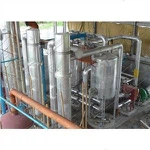
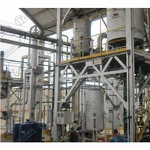
As a supplier to LNG plants, I've spent a fair bit of time understanding what makes these facilities tick. Key performance indicators (KPIs) are super important in gauging how well an LNG plant is doing. They're like the vital signs of a human body, giving us a clear picture of the plant's health and efficiency.
Production - Related KPIs
One of the most obvious KPIs for an LNG plant is production volume. Simply put, it's how much LNG the plant can churn out over a specific period. This could be measured daily, weekly, monthly, or annually. A high production volume is generally a good sign, but it's not the whole story. You've also got to consider the quality of the LNG being produced.
The purity of LNG is another crucial KPI. High - purity LNG has fewer impurities, which makes it more valuable in the market. Impurities like nitrogen, carbon dioxide, and other hydrocarbons can affect the energy content and combustion characteristics of LNG. A plant that can consistently produce LNG with high purity is likely to be more competitive. You can learn more about the gas processing side of achieving this purity at Gas Processing & Lng.
Production efficiency is also a big deal. It measures how well the plant is using its resources to produce LNG. This includes things like energy consumption, raw material usage, and labor. A plant with high production efficiency can produce more LNG with less input, which means lower costs and higher profits. For example, if a plant can reduce its energy consumption per unit of LNG produced, it's a sign that the production processes are well - optimized.
Safety - Related KPIs
Safety is non - negotiable in an LNG plant. One of the key safety KPIs is the number of safety incidents. This includes everything from minor spills to major accidents. A low number of safety incidents indicates that the plant has effective safety protocols in place. These protocols cover areas like employee training, equipment maintenance, and emergency response.
Another important safety metric is the safety compliance rate. This measures how well the plant adheres to safety regulations and standards. Regular safety audits are conducted to ensure that the plant meets all the requirements. A high safety compliance rate shows that the plant is committed to protecting its employees, the environment, and the surrounding community. You can find more about the safety aspects in an LNG Processing Plant.


Maintenance - Related KPIs
Equipment uptime is a critical maintenance - related KPI. It refers to the amount of time that the plant's equipment is operational and available for production. High equipment uptime means that the plant can run smoothly without frequent breakdowns. Regular maintenance and timely repairs are essential to achieve high equipment uptime.
The maintenance cost per unit of production is also an important metric. It measures how much money the plant spends on maintenance for each unit of LNG produced. A plant that can keep its maintenance costs low while still maintaining high equipment uptime is doing a great job. This requires a balance between preventive maintenance (which can be costly upfront but saves money in the long run) and reactive maintenance (fixing problems as they occur).
Environmental - Related KPIs
Greenhouse gas emissions are a major environmental concern for LNG plants. Measuring and reducing these emissions is a key KPI. LNG is often touted as a cleaner - burning fuel compared to other fossil fuels, but the production process can still generate significant emissions. A plant that can minimize its greenhouse gas emissions is not only better for the environment but also more likely to meet regulatory requirements and gain a positive reputation in the market.
Waste generation is another environmental KPI. This includes solid waste, liquid waste, and gaseous waste. A plant that can reduce its waste generation and properly manage the waste it does produce is more sustainable. For example, recycling and reusing waste materials can help reduce the overall environmental impact of the plant. You can explore more about the environmental aspects in an LNG Production Plant.
Financial - Related KPIs
Profit margin is a fundamental financial KPI. It measures the amount of profit the plant makes relative to its revenue. A high profit margin indicates that the plant is generating a good return on its investment. This can be influenced by factors like production costs, sales prices, and production volume.
Return on investment (ROI) is also important. It measures the profitability of an investment in the LNG plant. A high ROI means that the money invested in the plant is generating a significant return. This is crucial for attracting investors and ensuring the long - term viability of the plant.
Operational - Related KPIs
The plant's capacity utilization rate is an operational KPI. It shows how much of the plant's maximum production capacity is actually being used. A high capacity utilization rate means that the plant is operating close to its full potential, which is generally more cost - effective. However, it's also important to leave some room for maintenance and unexpected events.
The turnaround time for maintenance and repairs is another operational metric. A short turnaround time means that the plant can quickly get back to full production after maintenance or repair work. This reduces downtime and helps maintain production levels.
Quality - Related KPIs
Apart from purity, the consistency of LNG quality is a key KPI. Customers expect a consistent product, and a plant that can deliver on this is more likely to build long - term relationships. Consistency in quality means that the LNG has the same energy content, composition, and other characteristics from batch to batch.
The number of product rejections is also a quality - related metric. A low number of rejections indicates that the plant's quality control processes are effective. Rejections can occur if the LNG does not meet the customer's specifications or industry standards.
If you're in the market for an LNG plant or looking to improve the performance of your existing one, these KPIs can help you make informed decisions. As a supplier, I'm well - versed in providing solutions that can help optimize these key performance indicators. Whether it's improving production efficiency, enhancing safety, or reducing environmental impact, I've got the expertise and products to assist you. Reach out to me for a detailed discussion on how we can work together to achieve your goals.
References
- Industry reports on LNG plant operations
- Technical papers on LNG production and safety
- Regulatory guidelines for LNG plants