

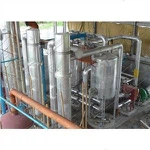
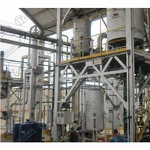
Hey there! As a supplier of LNG machinery, I've seen firsthand how crucial fire prevention is in the LNG industry. LNG, or liquefied natural gas, is a highly flammable substance, and any machinery involved in its production, storage, or transportation needs to meet strict fire - prevention requirements. In this blog, I'm gonna break down these requirements for you.
Understanding the Risks
First off, let's talk about why fire prevention is such a big deal with LNG machinery. LNG is natural gas that has been cooled to a very low temperature (-162°C or -260°F) to turn it into a liquid. This makes it easier to store and transport. But here's the catch: when LNG vaporizes, it forms a flammable mixture with air. If there's an ignition source, boom! You've got a fire or even an explosion on your hands.
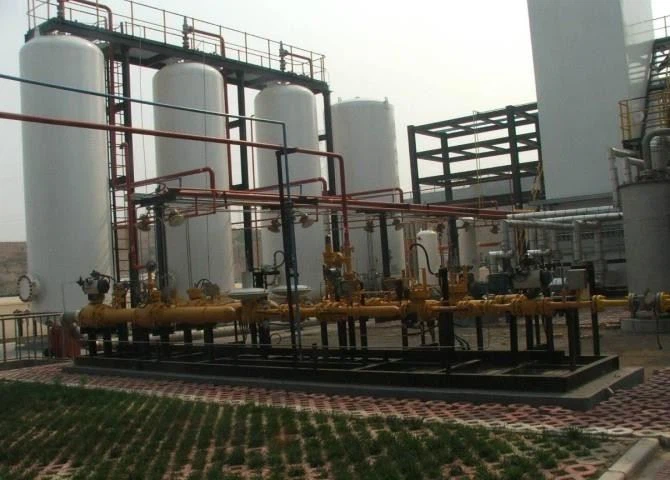
LNG machinery includes stuff like storage tanks, pumps, compressors, and pipelines. These components are constantly handling LNG, so the risk of a leak and subsequent fire is always present. That's why we need to have proper fire - prevention measures in place.
Design and Construction Requirements
When it comes to building LNG machinery, there are some key design and construction elements that help prevent fires.
Material Selection
The materials used in LNG machinery need to be able to withstand the low temperatures of LNG and also be non - combustible. For example, stainless steel is a popular choice for storage tanks and pipelines. It's strong, durable, and doesn't catch fire easily. Using the right materials from the start can significantly reduce the risk of a fire.
Leak Detection Systems
Leak detection is crucial in LNG machinery. You want to catch a leak as soon as possible before it can lead to a fire. There are different types of leak detection systems available. Some use sensors to detect the presence of LNG vapor in the air. Others monitor pressure changes in pipelines to identify potential leaks. These systems should be installed in all critical areas of the machinery, like around valves and joints.

Ventilation
Proper ventilation is essential to prevent the buildup of flammable LNG vapor. In areas where LNG machinery is located, there should be adequate ventilation systems. These systems help to disperse any leaked vapor and keep the concentration of LNG in the air below the flammable limit. Ventilation can be either natural or mechanical, but it needs to be designed to handle the specific conditions of the LNG facility.
Operational Requirements
Once the LNG machinery is up and running, there are also operational requirements for fire prevention.
Training
All personnel who work with LNG machinery need to be properly trained in fire - prevention procedures. They should know how to operate the machinery safely, how to detect and respond to leaks, and what to do in case of a fire. Regular training sessions should be conducted to keep everyone up - to - date on the latest safety practices.
Maintenance
Regular maintenance of LNG machinery is vital for fire prevention. This includes checking for leaks, inspecting valves and seals, and ensuring that all safety systems are working properly. Any worn - out or damaged parts should be replaced immediately. A well - maintained machine is less likely to develop a problem that could lead to a fire.
Emergency Response Plans
Every LNG facility should have a comprehensive emergency response plan in place. This plan should outline the steps to take in case of a fire, including evacuation procedures, how to activate fire - suppression systems, and who to contact for help. The plan should be tested regularly through drills to make sure that everyone knows what to do in an emergency.
Fire - Suppression Systems
In addition to prevention measures, LNG machinery also needs effective fire - suppression systems.
Water - Based Systems
Water is a common and effective fire - suppression agent. Sprinkler systems can be installed in areas where LNG machinery is located. These systems can quickly douse a fire and prevent it from spreading. Water can also be used to cool down hot surfaces and prevent the ignition of LNG vapor.
Foam Systems
Foam is another popular choice for suppressing LNG fires. Foam can form a blanket over the burning LNG, cutting off the oxygen supply and extinguishing the fire. Foam systems are often used in storage tank areas and other large - scale LNG facilities.
Gas - Based Systems
Some LNG machinery may also be protected by gas - based fire - suppression systems. These systems use gases like carbon dioxide or inert gases to displace oxygen and suppress the fire. Gas - based systems are often used in enclosed spaces where water or foam may not be suitable.
Industry Standards and Regulations
The LNG industry is highly regulated, and there are many standards and regulations in place to ensure fire safety. For example, the International Maritime Organization (IMO) has rules for LNG carriers, and national and local authorities have regulations for on - shore LNG facilities. These standards cover everything from design and construction to operation and maintenance of LNG machinery.
Compliance with these standards is not only a legal requirement but also a best practice for ensuring the safety of the LNG facility and the people working there. As a supplier of LNG machinery, we make sure that all our products meet or exceed these industry standards.
Conclusion
Fire prevention in LNG machinery is a complex but essential task. From the design and construction phase to daily operations, every aspect needs to be carefully considered to minimize the risk of fires. By using the right materials, installing leak detection and ventilation systems, providing proper training, and having effective fire - suppression systems in place, we can make LNG facilities safer.
If you're in the market for LNG machinery, whether it's for a Gas Processing And Lng, LNG Power Plant, or Regasification Plant, we've got you covered. Our products are designed with fire prevention in mind and are built to meet the highest industry standards. Don't hesitate to reach out if you want to discuss your specific needs and start a procurement process. We're here to help you make your LNG project a success.
References
- International Maritime Organization (IMO) regulations on LNG safety
- National and local fire safety regulations for LNG facilities
- Industry best practices for LNG machinery design and operation