

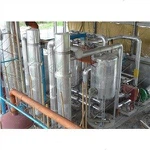
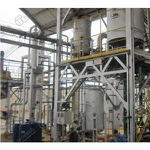
As a supplier of LNG equipment, I've witnessed firsthand the critical role that efficiency plays in the LNG industry. LNG, or Liquefied Natural Gas, is a vital energy source globally, and the efficiency of the equipment used in its production, storage, and transportation directly impacts the overall viability and sustainability of the industry. In this blog, I'll delve into the various factors that can affect the efficiency of LNG equipment.
1. Design and Technology
The design and technology of LNG equipment are fundamental to its efficiency. Modern LNG plants are increasingly incorporating advanced technologies to improve performance. For example, the use of cryogenic refrigeration cycles is crucial in the liquefaction process. Newer designs of these cycles, such as the mixed - refrigerant cycle, are more energy - efficient compared to older single - refrigerant cycles. This is because they can better match the cooling curve of natural gas, reducing the amount of energy required to cool the gas to its liquefaction point.
In addition, the design of storage tanks also affects efficiency. Insulation is a key factor in tank design. High - quality insulation materials can minimize heat transfer into the LNG, reducing boil - off gas (BOG) losses. Advanced tank designs, such as double - walled tanks with vacuum insulation, can significantly improve insulation performance. You can learn more about the different types of LNG plants, including Factory Lng, which often incorporate these advanced design features.
2. Maintenance and Upkeep
Regular maintenance is essential for the efficient operation of LNG equipment. Over time, components of LNG equipment can wear out, corrode, or become fouled. For example, heat exchangers can accumulate deposits on their surfaces, which reduces their heat transfer efficiency. This, in turn, requires more energy to achieve the same level of cooling or heating.
Proper lubrication of moving parts, such as pumps and compressors, is also crucial. Insufficient lubrication can lead to increased friction, which not only reduces efficiency but also increases the risk of mechanical failure. Regular inspections and preventive maintenance can help identify and address these issues before they cause significant problems. Upgrading equipment components when necessary can also improve efficiency. For instance, replacing old, inefficient valves with newer, high - performance ones can reduce pressure drops and improve the overall flow of LNG through the system.
3. Feedstock Quality
The quality of the natural gas feedstock used in LNG production can have a significant impact on equipment efficiency. Natural gas contains various impurities, such as water, carbon dioxide, and sulfur compounds. These impurities need to be removed before the gas can be liquefied. If the feedstock has a high concentration of impurities, it will require more energy and resources to purify it.
For example, water in the natural gas can freeze during the liquefaction process, causing blockages in the equipment. Carbon dioxide can also solidify at low temperatures, leading to similar problems. Sulfur compounds can cause corrosion in the equipment, reducing its lifespan and efficiency. Therefore, proper pre - treatment of the feedstock to remove these impurities is essential for efficient LNG production.
4. Operating Conditions
The operating conditions of LNG equipment, such as temperature, pressure, and flow rate, can greatly affect its efficiency. In the liquefaction process, the temperature and pressure need to be precisely controlled to ensure that the natural gas is cooled and compressed to the right state for liquefaction. Deviations from the optimal operating conditions can result in increased energy consumption.


For example, if the pressure in a compressor is too high or too low, it can reduce the compressor's efficiency and increase the power required to operate it. Similarly, the flow rate of the natural gas through the equipment needs to be carefully regulated. An excessive flow rate can cause instability in the system and increase the risk of equipment damage, while a low flow rate may not fully utilize the equipment's capacity, leading to inefficiencies.
5. Integration and System Design
The integration of different components in an LNG plant is another important factor affecting efficiency. An LNG plant is a complex system consisting of multiple units, such as liquefaction units, storage tanks, and regasification units. The efficient operation of the entire plant depends on how well these units are integrated.
For example, the design of the piping system between different units can impact the flow of LNG and the pressure drop. A well - designed piping system with smooth bends and proper sizing can minimize pressure losses and improve the overall efficiency of the system. Moreover, the interaction between the liquefaction and regasification processes needs to be optimized. You can explore more about Regasification Plant and how it fits into the overall LNG system.
6. Operator Skills and Training
The skills and training of the operators who run the LNG equipment are also crucial. Well - trained operators can better understand the equipment's operation and performance characteristics, and they can make more informed decisions to optimize its efficiency.
Operators need to be able to monitor the equipment's parameters, such as temperature, pressure, and flow rate, and take appropriate actions when deviations occur. They also need to be familiar with the emergency procedures in case of equipment failures or other abnormal situations. Regular training programs can help operators stay updated with the latest technologies and best practices in LNG equipment operation.
7. Environmental Factors
Environmental factors can also influence the efficiency of LNG equipment. For example, the ambient temperature can affect the performance of the cooling systems in an LNG plant. In hot climates, the cooling systems may need to work harder to remove heat from the equipment, which can increase energy consumption.
Humidity can also have an impact, especially on the corrosion of the equipment. High humidity levels can accelerate the corrosion process, reducing the equipment's lifespan and efficiency. Additionally, seismic activity and wind conditions need to be considered in the design and location of LNG facilities to ensure their safe and efficient operation.
8. Energy Management
Effective energy management is essential for improving the efficiency of LNG equipment. This includes optimizing the use of energy within the plant, such as recovering waste heat from one process and using it in another. For example, the waste heat from the compressor can be used to pre - heat the natural gas before it enters the purification unit.
Energy management also involves using renewable energy sources, such as solar or wind power, to supplement the energy needs of the LNG plant. This can reduce the plant's reliance on traditional energy sources and lower its carbon footprint. Liquefied Natural Gas Power Plant often implement advanced energy management strategies to improve overall efficiency.
In conclusion, the efficiency of LNG equipment is affected by a multitude of factors, ranging from design and technology to environmental conditions. As a supplier of LNG equipment, we are committed to providing high - quality products that incorporate the latest technologies and design features to maximize efficiency. We also offer comprehensive maintenance and support services to ensure that our customers' equipment operates at its best.
If you are in the market for LNG equipment and are looking to improve the efficiency of your operations, we invite you to contact us for a detailed discussion. Our team of experts can help you select the right equipment and develop customized solutions to meet your specific needs. Let's work together to enhance the efficiency and sustainability of your LNG operations.
References
- "Handbook of Liquefied Natural Gas" by John M. Campbell and Company
- "LNG Engineering: Design and Construction" by G. P. Celata and F. Mariani
- Industry reports from the International Gas Union (IGU)