

What are the differences between on - shore and off - shore LNG equipment?
As a seasoned supplier in the LNG equipment industry, I've witnessed firsthand the unique characteristics and disparities between on - shore and off - shore LNG equipment. These differences are not only crucial for understanding the operational dynamics of LNG projects but also play a significant role in determining the most suitable equipment for specific applications.
Location and Environmental Considerations
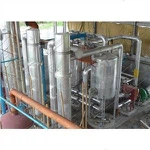
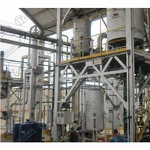
One of the most obvious differences between on - shore and off - shore LNG equipment lies in their locations. On - shore LNG facilities are situated on land, which provides a relatively stable and controlled environment. This stability allows for easier construction, maintenance, and access to support services. For example, large - scale on - shore Liquefied Natural Gas Plant can be built with extensive infrastructure and access to a reliable power supply, water sources, and transportation networks.
In contrast, off - shore LNG equipment is installed in marine environments, such as floating production storage and offloading (FPSO) units or floating LNG (FLNG) vessels. These locations are subject to harsh weather conditions, including strong winds, high waves, and corrosive saltwater. As a result, off - shore equipment must be designed to withstand these extreme conditions. For instance, the structural components of off - shore LNG storage tanks need to be made of corrosion - resistant materials and have additional reinforcement to prevent damage from wave impacts.


Equipment Design and Construction
The design and construction of on - shore and off - shore LNG equipment also differ significantly. On - shore equipment can be designed with larger dimensions and more complex configurations due to the availability of space. On - shore LNG plants often have large storage tanks, extensive processing units, and long - distance pipelines. These facilities can be optimized for high - volume production and long - term operation.
Off - shore equipment, on the other hand, must be compact and lightweight to fit on floating structures. The design of off - shore LNG equipment focuses on minimizing weight while maintaining high performance and safety standards. For example, off - shore Reliquefaction Plant are designed to be modular, allowing for easy installation and transportation. These modular units can be pre - fabricated on land and then transported to the off - shore site for assembly.
Safety and Regulatory Requirements
Safety is a top priority in both on - shore and off - shore LNG operations, but the regulatory requirements and safety measures vary. On - shore LNG facilities are subject to local and national regulations, which typically focus on land use, environmental protection, and public safety. These regulations often require on - shore plants to have safety systems in place, such as fire suppression systems, emergency shutdown systems, and environmental monitoring equipment.
Off - shore LNG operations are subject to international maritime regulations in addition to national regulations. These regulations cover a wide range of aspects, including vessel safety, navigation, and pollution prevention. Off - shore LNG facilities must have redundant safety systems to ensure the safety of the crew and the environment. For example, off - shore LNG vessels are required to have double - hulled storage tanks to prevent leaks and spills.
Maintenance and Operational Costs
Maintenance and operational costs are also different for on - shore and off - shore LNG equipment. On - shore facilities generally have lower maintenance costs due to easier access for maintenance personnel and the availability of local support services. The cost of transporting spare parts and equipment to on - shore sites is also relatively low.
Off - shore LNG equipment, however, has higher maintenance and operational costs. The harsh marine environment requires more frequent inspections and maintenance to ensure the integrity of the equipment. Additionally, the cost of transporting maintenance personnel and spare parts to off - shore sites can be very high. The operational costs of off - shore LNG facilities are also affected by factors such as fuel consumption for power generation and the cost of crew accommodation.
Production Capacity and Flexibility
On - shore LNG plants are typically designed for large - scale production. They can have a high production capacity due to the availability of land and resources. These plants can be optimized for continuous operation and can produce a large volume of LNG over an extended period.
Off - shore LNG facilities, on the other hand, offer more flexibility in terms of production. They can be deployed quickly to remote locations and can be easily relocated if necessary. This flexibility makes off - shore LNG a viable option for small - to - medium - scale projects or for projects in areas with limited infrastructure. For example, off - shore Lng Gas Plant can be used to develop marginal gas fields that would otherwise be uneconomical to develop using on - shore facilities.
Market Demand and Application
The market demand and application of on - shore and off - shore LNG equipment also vary. On - shore LNG plants are mainly used to supply LNG to large - scale consumers, such as power plants, industrial facilities, and natural gas distribution networks. These plants are often located near major population centers or industrial areas to minimize transportation costs.
Off - shore LNG facilities are more suitable for supplying LNG to remote areas or areas with limited infrastructure. They can also be used for floating storage and regasification units (FSRUs), which can quickly provide LNG to areas in need of additional natural gas supply. Off - shore LNG is becoming increasingly popular in emerging markets, where there is a growing demand for clean energy and a need to develop domestic gas resources.
In conclusion, the differences between on - shore and off - shore LNG equipment are significant and are influenced by factors such as location, design, safety, cost, production capacity, and market demand. As a leading LNG equipment supplier, we understand these differences and are committed to providing our customers with the most suitable equipment for their specific needs. Whether you are looking for on - shore or off - shore LNG equipment, our team of experts can help you select the right solution and ensure its successful implementation.
If you are interested in learning more about our LNG equipment or would like to discuss a potential project, please feel free to contact us. We look forward to the opportunity to work with you and contribute to the development of the LNG industry.
References
- International Gas Union (IGU). "LNG Handbook."
- Society of Petroleum Engineers (SPE). "Off - shore LNG Technology and Operations."
- American Gas Association (AGA). "On - shore LNG Plant Design and Operation."