

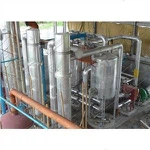
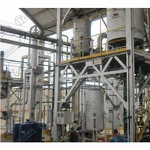
Automation systems play a pivotal role in modern Na2CO3 plants, also known as soda ash plants. As a leading supplier of [mention your specific type of equipment or overall plant - related products if applicable] for Soda Ash Manufacturing Plants, Soda Ash Production Plants, and Soda Ash Processing Plants, I understand the critical importance of maintaining these automation systems. In this blog, I will delve into the various aspects of automation system maintenance in a Na2CO3 plant.
1. Understanding the Automation Systems in a Na2CO3 Plant
Before we discuss maintenance, it's essential to have a clear understanding of the automation systems typically found in a Na2CO3 plant. These systems are designed to control and monitor various processes involved in soda ash production, from raw material handling to the final product packaging.
- Process Control Systems: These are the heart of the automation in a Na2CO3 plant. They regulate the chemical reactions, temperature, pressure, and flow rates in different stages of the production process. For example, in the Solvay process, which is one of the common methods for soda ash production, process control systems ensure that the reaction between sodium chloride, ammonia, and carbon dioxide occurs at the optimal conditions.
- Instrumentation and Sensors: A wide range of sensors are used throughout the plant to measure parameters such as temperature, pressure, level, and chemical composition. These sensors provide real - time data to the control systems, allowing for accurate process adjustment. For instance, level sensors in storage tanks help in maintaining the right amount of raw materials and finished products.
- Human - Machine Interface (HMI): HMIs are the interfaces through which operators interact with the automation systems. They provide a visual representation of the plant processes, allowing operators to monitor and control various parameters. An intuitive HMI design is crucial for efficient plant operation.
2. Preventive Maintenance of Automation Systems
Preventive maintenance is the key to ensuring the long - term reliability and performance of automation systems in a Na2CO3 plant.
- Regular Inspections: Conducting regular inspections of all automation components is essential. This includes checking the physical condition of sensors, cables, and control panels. Any signs of wear, corrosion, or damage should be addressed immediately. For example, inspecting the wiring of temperature sensors to ensure there are no loose connections or frayed wires.
- Calibration of Instruments: Sensors and instruments need to be calibrated regularly to ensure accurate measurement. In a Na2CO3 plant, inaccurate measurements can lead to sub - optimal process conditions and affect the quality of the final product. For instance, pressure sensors should be calibrated according to the manufacturer's recommendations to ensure precise pressure control in reaction vessels.
- Software Updates: Automation systems rely on software for their operation. Regular software updates are necessary to fix bugs, improve performance, and enhance security. These updates should be carefully tested in a non - production environment before being deployed in the actual plant.
3. Predictive Maintenance of Automation Systems
Predictive maintenance uses data analytics and machine learning techniques to predict when a component is likely to fail. This allows for proactive maintenance, reducing downtime and maintenance costs.


- Condition Monitoring: By continuously monitoring the performance of automation components, it is possible to detect early signs of failure. For example, monitoring the vibration levels of motors in pumps can indicate potential bearing problems. Advanced algorithms can analyze the data collected from sensors to identify patterns associated with component degradation.
- Data Analytics: Collecting and analyzing data from various sensors and control systems can provide valuable insights into the health of the automation systems. For instance, analyzing the historical data of temperature variations in a reaction vessel can help in predicting when the heating element might need replacement.
4. Corrective Maintenance of Automation Systems
Despite preventive and predictive maintenance, failures can still occur. Corrective maintenance is the process of fixing the problems when they arise.
- Fault Diagnosis: When an automation system fails, the first step is to diagnose the fault accurately. This may involve using diagnostic tools, analyzing error messages, and conducting tests on the affected components. For example, if a flow sensor is giving incorrect readings, diagnostic tests can be performed to determine whether the problem is with the sensor itself or the associated wiring.
- Replacement of Components: Once the faulty component is identified, it needs to be replaced. It is important to use high - quality replacement parts to ensure the continued reliability of the automation system. For instance, replacing a damaged control valve with a valve that meets the plant's specifications.
5. Importance of Documentation in Automation System Maintenance
Proper documentation is crucial for effective automation system maintenance in a Na2CO3 plant.
- Maintenance Records: Keeping detailed records of all maintenance activities, including inspections, calibrations, and repairs, is essential. These records can be used to track the history of each component, identify recurring problems, and plan future maintenance. For example, maintenance records can show how often a particular sensor has been calibrated and whether it has a history of frequent failures.
- System Diagrams and Manuals: Having up - to - date system diagrams and operation manuals is vital for understanding the automation systems. These documents provide information on the system architecture, component specifications, and troubleshooting procedures. For instance, a detailed wiring diagram can help technicians quickly locate and fix wiring problems.
6. Training and Skill Development for Maintenance Personnel
The effectiveness of automation system maintenance depends on the skills and knowledge of the maintenance personnel.
- Technical Training: Maintenance personnel should receive regular technical training on the latest automation technologies and equipment used in the Na2CO3 plant. This includes training on sensor technology, control system programming, and diagnostic tools. For example, training on how to use advanced diagnostic software to troubleshoot complex automation problems.
- Safety Training: Safety is of utmost importance in a chemical plant. Maintenance personnel should be trained on safety procedures when working with automation systems, including electrical safety, chemical safety, and lock - out/tag - out procedures.
7. The Role of Supplier Support in Automation System Maintenance
As a supplier of equipment for [mention the relevant types of plants like Soda Ash Manufacturing Plant, Soda Ash Production Plant, and Soda Ash Processing Plant], we play a crucial role in the maintenance of automation systems.
- Technical Support: We offer technical support to our customers, including remote assistance and on - site troubleshooting. Our team of experts can help in diagnosing complex problems and providing solutions in a timely manner.
- Supply of Spare Parts: We ensure a reliable supply of high - quality spare parts for the automation systems we supply. This helps in reducing downtime in case of component failures.
- Training and Consultation: We provide training programs for our customers' maintenance personnel and offer consultation services on automation system design, installation, and maintenance.
In conclusion, maintaining the automation systems in a Na2CO3 plant is a complex but essential task. By implementing a comprehensive maintenance strategy that includes preventive, predictive, and corrective maintenance, along with proper documentation and training, plant operators can ensure the reliable and efficient operation of their plants. If you are looking for a reliable partner for your Soda Ash Manufacturing Plant, Soda Ash Production Plant, or Soda Ash Processing Plant, feel free to reach out to us for more information and to discuss your specific requirements. We are committed to providing high - quality products and services to support your plant's automation system maintenance needs.
References
- [Author Last Name, First Name]. [Book Title]. [Publisher], [Publication Year].
- [Author Last Name, First Name]. "[Article Title]." [Journal Name], Vol. [Volume Number], No. [Issue Number], [Publication Date], pp. [Page Range].