

Hey there! As a NaOH price supplier, I've been in the thick of the sodium hydroxide game for quite some time. One thing that's always on my radar is how the energy cost in production impacts the NaOH price. It's a complex relationship, and I'm gonna break it down for you in this blog.
Let's start with the basics. Sodium hydroxide, also known as caustic soda, is a highly versatile chemical used in a wide range of industries, from paper and pulp to textiles and water treatment. The production of NaOH involves a series of energy-intensive processes, primarily electrolysis. In the electrolysis process, an electric current is passed through a solution of sodium chloride (saltwater) to produce chlorine gas, hydrogen gas, and sodium hydroxide. This process requires a significant amount of electricity, and that's where the energy cost comes into play.


The energy cost is a major component of the overall production cost of NaOH. When the price of energy goes up, the cost of producing NaOH also increases. This is because the electricity used in the electrolysis process accounts for a large portion of the total production cost. As a result, suppliers like me have to adjust the NaOH price to cover the higher production costs.
For example, let's say the price of electricity increases by 20%. This means that the cost of producing NaOH will also increase by a significant amount. To maintain our profit margins, we have to raise the NaOH price to reflect the higher production costs. This can have a ripple effect on the entire supply chain, as manufacturers who use NaOH in their production processes will also have to pay more for the chemical.
But it's not just the price of electricity that affects the energy cost in NaOH production. Other factors, such as the efficiency of the production process and the type of energy source used, also play a role. For instance, some production facilities may use more energy-efficient equipment or renewable energy sources, such as solar or wind power, to reduce their energy costs. These facilities may be able to produce NaOH at a lower cost, even when the price of electricity is high.
On the other hand, if a production facility is using outdated or inefficient equipment, it may require more energy to produce the same amount of NaOH. This can lead to higher energy costs and, ultimately, a higher NaOH price. As a supplier, I'm always looking for ways to improve the efficiency of our production processes and reduce our energy costs. This not only helps us to keep our prices competitive but also makes our operations more sustainable.
Another factor that can impact the energy cost in NaOH production is the availability of raw materials. Sodium chloride, the main raw material used in the production of NaOH, is typically sourced from salt mines or seawater. If the supply of salt is limited or if the cost of extracting salt increases, it can affect the overall production cost of NaOH. In addition, the transportation cost of the raw materials can also add to the energy cost.
For example, if a production facility is located far from a salt mine or a port, it may have to pay more to transport the salt to the plant. This can increase the overall production cost and, in turn, the NaOH price. As a supplier, I work closely with our raw material suppliers to ensure a stable supply of salt at a reasonable price. We also try to optimize our transportation routes to reduce the energy cost associated with transporting the raw materials.
So, how does all of this impact the NaOH price? Well, as I mentioned earlier, the energy cost is a major component of the overall production cost of NaOH. When the energy cost increases, the NaOH price also goes up. However, the relationship between the energy cost and the NaOH price is not always straightforward. Other factors, such as market demand, competition, and government regulations, can also affect the NaOH price.
For example, if the market demand for NaOH is high, suppliers may be able to charge a higher price even when the energy cost is relatively low. On the other hand, if there is a lot of competition in the market, suppliers may have to keep their prices low to attract customers, even if the energy cost is high. In addition, government regulations, such as environmental standards and taxes, can also impact the production cost of NaOH and, ultimately, the price.
As a supplier, I have to take all of these factors into account when setting the NaOH price. I try to strike a balance between covering our production costs and remaining competitive in the market. I also keep a close eye on the energy market and the raw material prices to anticipate any changes in the production cost. By doing so, I can make informed decisions about the NaOH price and ensure that our customers get the best value for their money.
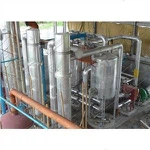
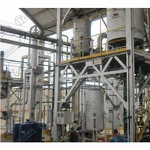
If you're in the market for sodium hydroxide, I encourage you to check out our Sodium Hydroxide Solutions. We offer a wide range of high-quality NaOH products at competitive prices. We also have a Caustic Soda Plant For Sale if you're interested in setting up your own production facility. And if you're looking for a Production Line for Sodium Hydroxide, we can help you with that too.
Whether you're a small business or a large corporation, we can provide you with the sodium hydroxide solutions you need. Our team of experts is always available to answer your questions and help you find the right product for your specific application. So, don't hesitate to get in touch with us if you have any questions or if you're interested in purchasing sodium hydroxide. We look forward to working with you!
References
- Chemical Engineering Journal. "Energy Efficiency in Sodium Hydroxide Production."
- Industrial & Engineering Chemistry Research. "Impact of Energy Costs on Chemical Production Pricing."
- Journal of Chemical Technology & Biotechnology. "Sustainable Production of Sodium Hydroxide."