

As a supplier of sodium carbonate (Na₂CO₃), also known as soda ash, I've witnessed firsthand how energy costs can significantly impact its price. In this blog post, I'll delve into the intricate relationship between energy costs and the price of Na₂CO₃, exploring the various factors at play and their implications for the industry.
The Energy - Intensive Nature of Na₂CO₃ Production
Na₂CO₃ production is an energy - intensive process. There are mainly two methods for producing soda ash: the Solvay process and the natural method.
The Solvay process, which is widely used around the world, involves a series of chemical reactions. First, salt (NaCl) and limestone (CaCO₃) are used as raw materials. The limestone is calcined at high temperatures to produce calcium oxide (CaO) and carbon dioxide (CO₂). This calcination step requires a large amount of heat energy, usually provided by burning fossil fuels such as coal, natural gas, or oil. The reaction is as follows:
[CaCO_{3}(s)\xrightarrow{\text{high temperature}}CaO(s)+CO_{2}(g)]
Then, ammonia (NH₃) is used in the process to react with salt and carbon dioxide to form sodium bicarbonate (NaHCO₃), which is further heated to produce Na₂CO₃. Each of these chemical reactions and separation steps demands energy for heating, stirring, and pumping.
The natural method involves mining trona ore and then processing it to obtain soda ash. Although this method seems more straightforward, the mining, transportation, and refining processes also consume a substantial amount of energy. For example, heavy machinery is used for mining, which runs on diesel or electricity, and the refining process often requires heating to purify the soda ash.
Impact of Rising Energy Costs on Na₂CO₃ Production Costs
When energy costs rise, the production cost of Na₂CO₃ increases significantly. Energy is one of the major cost components in the production process. For instance, if the price of natural gas, a common energy source for heating in the Solvay process, doubles, the cost of calcining limestone and other heating - related steps will also double. This directly translates into higher production costs for Na₂CO₃.
As a supplier, when our production costs go up, we are faced with a dilemma. On one hand, we need to maintain our profit margins to ensure the sustainability of our business. On the other hand, we have to consider the market demand and the price sensitivity of our customers. If we raise the price of Na₂CO₃ too much, we may lose some customers to our competitors. However, if we don't pass on at least a portion of the increased costs, our profit margins will be squeezed, which could lead to financial difficulties in the long run.
Influence on Market Supply and Demand
Higher energy costs can also affect the supply and demand dynamics of the Na₂CO₃ market. As production costs increase, some smaller producers may find it unprofitable to continue operating. They may reduce their production volume or even shut down their Soda Ash Production Plant. This reduction in supply can lead to a shortage in the market, especially if the demand remains stable or increases.
On the demand side, some customers may look for alternative products or reduce their consumption of Na₂CO₃ when the price rises. For example, in the glass manufacturing industry, which is a major consumer of soda ash, manufacturers may try to optimize their production processes to use less soda ash or look for substitute materials if the price becomes too high. However, the substitution is not always easy, as soda ash has unique properties that are difficult to replace in many applications.
Energy Efficiency and Cost Mitigation
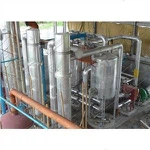
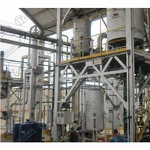
To deal with the impact of rising energy costs, many Na₂CO₃ producers, including ourselves, are focusing on improving energy efficiency. We invest in research and development to find more energy - efficient production methods and technologies. For example, we are exploring the use of advanced heat exchangers in our Soda Production Line to recover and reuse waste heat, which can significantly reduce the overall energy consumption.
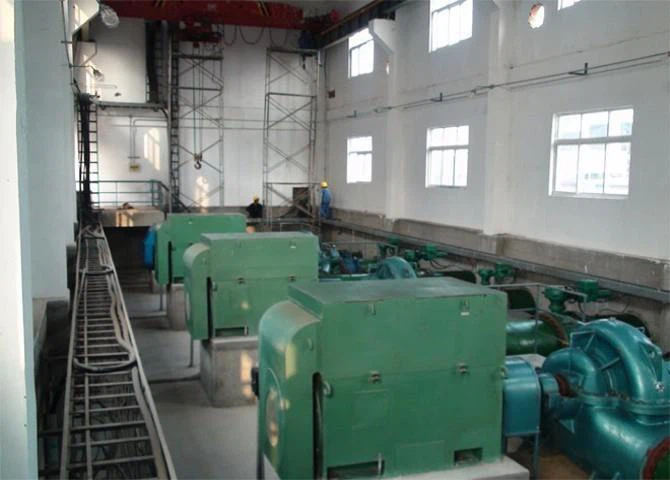
We also upgrade our Soda Ash Equipment to more energy - efficient models. Newer equipment often has better insulation and more efficient motors, which can save a considerable amount of energy during operation. Additionally, we are looking into renewable energy sources such as solar and wind power to supplement our energy needs. Although the initial investment in renewable energy is high, in the long run, it can provide a stable and cost - effective energy supply, reducing our dependence on fossil fuels and their price fluctuations.
Pricing Strategies in Response to Energy Cost Changes
As a supplier, we adopt a flexible pricing strategy in response to energy cost changes. When energy costs increase gradually, we may implement small and incremental price increases over time. This allows our customers to adjust their budgets and production plans accordingly. We also offer long - term contracts to some of our major customers, which can provide price stability for both parties. In these contracts, we may include clauses that link the price of Na₂CO₃ to the energy price index, so that both we and our customers share the risk of energy price fluctuations.

The Future Outlook
The future of the relationship between energy costs and Na₂CO₃ prices is uncertain. The global energy market is influenced by many factors, such as geopolitical events, environmental policies, and technological advancements. If there is a breakthrough in renewable energy technologies or a significant increase in the supply of fossil fuels, energy costs may decrease, which will lead to a reduction in the production cost of Na₂CO₃ and potentially lower prices.
On the other hand, if environmental regulations become more stringent, the cost of using fossil fuels may increase further, putting more pressure on the production cost of Na₂CO₃. In addition, the growing demand for Na₂CO₃ in emerging industries such as the lithium - ion battery industry may also affect the market balance and price trends.
Conclusion
In conclusion, energy costs have a profound impact on the price of Na₂CO₃. As a supplier, we are constantly monitoring the energy market and adjusting our production and pricing strategies to adapt to the changing environment. We understand that our customers are also facing challenges in dealing with the price fluctuations of Na₂CO₃. That's why we are committed to providing high - quality products at competitive prices and working closely with our customers to find solutions that meet their needs.
If you are interested in purchasing Na₂CO₃, we invite you to contact us for a detailed discussion. We can provide you with the latest price information and customized solutions based on your specific requirements. Let's work together to navigate the challenges of the market and achieve mutual success.
References
- Smith, J. (2018). "The Economics of Soda Ash Production". Chemical Industry Journal, 25(3), 45 - 52.
- Johnson, M. (2020). "Energy Efficiency in Chemical Manufacturing: A Case Study of Soda Ash Production". Energy and Environment Review, 32(2), 78 - 85.
- Brown, R. (2021). "Market Dynamics of Sodium Carbonate in the Global Economy". International Trade and Economics Review, 40(4), 112 - 125.