

Linear Alkylbenzene Sulfonic Acid (LABSA) is a widely recognized and extensively used anionic surfactant in various industries, and its role in water treatment for removing impurities is of great significance. As a reputable LABSA supplier, I am delighted to delve into how LABSA effectively aids in purifying water and explain the underlying scientific principles.
Understanding LABSA and Its Chemical Properties
LABSA has a distinctive molecular structure, consisting of a long - chain alkylbenzene group attached to a sulfonic acid group. This structure gives it amphiphilic properties, meaning it has both hydrophilic (water - loving) and hydrophobic (water - hating) parts. The hydrophobic part of the LABSA molecule is the long alkyl chain, which is attracted to non - polar substances such as oils, grease, and other organic contaminants in water. The hydrophilic part is the sulfonic acid group, which has an affinity for water molecules.
This unique amphiphilic nature allows LABSA to form micelles in water. When the concentration of LABSA in water reaches a certain level (critical micelle concentration - CMC), the hydrophobic tails of the LABSA molecules cluster together in the center of the micelle, while the hydrophilic heads point outwards towards the water. This arrangement is crucial for its action in removing impurities.
Removing Organic Impurities
Organic impurities in water can come from various sources, including industrial waste, agricultural runoff, and sewage. These impurities often include oils, grease, fats, and other hydrocarbons. LABSA's hydrophobic tails attach themselves to these non - polar organic substances. Once attached, the entire complex of the organic impurity and the LABSA molecule can be incorporated into the micelles.
The formation of micelles effectively encapsulates the organic impurities, preventing them from aggregating and settling back into the water. These micelles are then more easily removed from the water through processes such as filtration or sedimentation. For example, in industrial wastewater treatment, LABSA can be added to water containing oil spills. The oil droplets are surrounded by the hydrophobic tails of LABSA, and the resulting micelles can be separated from the water using mechanical separators or by allowing them to float to the surface for skimming.
Removing Particulate Matter
Particulate matter in water consists of tiny solid particles such as dust, soil, and suspended solids. LABSA helps in removing these particles through a process called emulsification and dispersion. The surface - active properties of LABSA lower the surface tension between the water and the particulate matter. This allows the particles to be more readily dispersed in the water and prevents them from clumping together.
Moreover, the charged nature of the sulfonic acid group in LABSA can interact with the charged surfaces of the particulate matter. In some cases, it can neutralize the charges on the particles, which otherwise would cause them to repel each other and remain suspended. As the particles come closer together due to charge neutralization, they can form larger aggregates that are easier to remove through sedimentation or filtration.
In municipal water treatment plants, LABSA can be used as part of the pre - treatment process. It helps in the initial breakdown and dispersion of particulate matter, making the subsequent treatment steps more efficient. For instance, when water from a river or a lake contains a significant amount of clay particles, adding LABSA can help in agglomerating these particles, so they can be more effectively removed during the sedimentation phase.

Removing Bacteria and Microorganisms
Although LABSA is not a disinfectant in the traditional sense like chlorine, it can play a role in reducing the presence of bacteria and microorganisms in water. The hydrophobic tails of LABSA can interact with the lipid membranes of bacteria and other microorganisms. This interaction can disrupt the cell membrane structure, leading to cell lysis and ultimately the death of the microorganisms.
Furthermore, the dispersive action of LABSA can prevent the formation of biofilms. Biofilms are slimy layers formed by bacteria on surfaces in contact with water. These biofilms can be a breeding ground for more bacteria and can cause problems in water distribution systems. By preventing biofilm formation and disrupting the cell membranes of bacteria, LABSA can contribute to overall water purity.
LABSA in Different Water Treatment Processes
Drinking Water Treatment
In the treatment of drinking water, LABSA is used in small and carefully controlled amounts. Its primary role is to aid in the pre - treatment phase. It helps in removing suspended particles, organic matter, and some microorganisms before the water undergoes more advanced treatment processes such as disinfection with chlorine or ultraviolet light. By removing these impurities early on, the overall efficiency of the drinking water treatment system is improved, and the quality of the final drinking water is enhanced.
Industrial Water Treatment
Industrial processes often require large amounts of water, and the quality of the water can significantly impact the efficiency and longevity of the equipment. LABSA is used in industrial water treatment to remove a wide range of impurities, including heavy metal - containing organic compounds, process oils, and dyes. For example, in the textile industry, wastewater contains dyes and sizing agents. LABSA can be used to remove these contaminants, making the water suitable for reuse or safe for discharge into the environment.
Wastewater Treatment
Wastewater from domestic and industrial sources contains a complex mixture of impurities. LABSA is a valuable component in wastewater treatment plants. It helps in the primary treatment by removing floating solids and oil - based contaminants. In the secondary treatment, it can assist in the breakdown of organic matter by promoting the dispersion of organic substances, making them more accessible to microorganisms that further degrade the organic matter.
Production and Availability
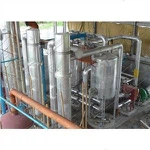
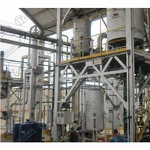
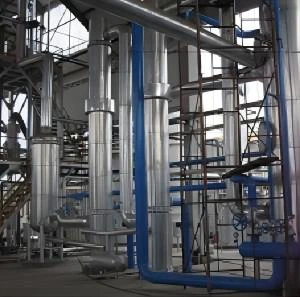
If you are interested in understanding the Production Process Of Sulfonic Acid, the process typically involves the sulfonation of linear alkylbenzene. Our company keeps a close eye on the latest industry trends to ensure our production process is both efficient and environmentally friendly. We utilize state - of the - art Sulphonation Sulphonic Acid Plant to ensure the high - quality production of LABSA. Our capabilities in Sulphonation Production allow us to meet the diverse needs of our customers. Whether you are running a large - scale industrial water treatment facility or a small - scale municipal water treatment plant, we can provide you with the right quantity and quality of LABSA.
Contact for Purchasing and Consultation
If you are in the market for high - quality LABSA for your water treatment needs, do not hesitate to reach out to us. We are committed to providing you with top - notch products and excellent customer service. Our team of experts can assist you in selecting the most suitable LABSA product based on your specific water treatment requirements. Whether you need advice on dosage, application methods, or any other technical aspects, we are here to help.
References
- "Surfactants and Interfacial Phenomena" by Milton J. Rosen and Dennis L. Kunjappu.
- "Water Treatment Handbook" by Degrémont.
- "Industrial Water Treatment: A Practical Guide" by Peter M. Huck and Mark A. Wiesner.
In conclusion, LABSA plays a vital and multi - faceted role in removing impurities from water. Its unique chemical properties make it an effective tool in various water treatment processes, ensuring the availability of clean and safe water for different uses. As a reliable LABSA supplier, we are dedicated to supporting your water treatment endeavors with high - quality products and professional guidance.