

Hey there! I'm a supplier for a NaOH factory, and today I wanna chat about how a NaOH factory can up its production flexibility. It's super important in the chemical industry, where market demands can change faster than you can say "caustic soda."
1. Understanding the Need for Production Flexibility
First off, why does a NaOH factory need production flexibility? Well, the demand for caustic soda (NaOH) can vary a lot. Different industries like pulp and paper, textiles, and water treatment use NaOH, and their needs can change based on seasons, economic trends, and technological advancements. For example, the paper industry might need more NaOH during peak production seasons, and a factory that can't adjust its output will miss out on potential sales.
Another reason is the raw material availability. The main raw materials for NaOH production are salt (sodium chloride) and water. Sometimes, there can be shortages or price fluctuations of salt. A factory that can't adapt to these changes might face production slowdowns or increased costs.
2. Upgrading Production Equipment
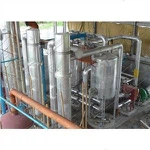
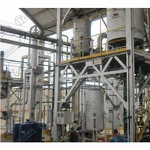
One of the key ways to improve production flexibility is by upgrading the production equipment. Modern Caustic Soda Production Equipment is designed to be more adaptable. For instance, some new electrolytic cells can operate at different current densities. This means that the factory can increase or decrease the production rate depending on the market demand.


If the demand is high, the factory can run the electrolytic cells at a higher current density to produce more NaOH. On the other hand, if the demand is low, they can reduce the current density to save energy and raw materials.
Moreover, advanced equipment often comes with better automation and control systems. These systems can monitor the production process in real - time and make adjustments automatically. For example, if the quality of the raw materials changes, the control system can adjust the operating parameters of the equipment to ensure consistent product quality.
3. Diversifying Production Processes
A NaOH factory can also improve its flexibility by diversifying production processes. There are mainly three methods for producing caustic soda: the diaphragm cell process, the mercury cell process, and the membrane cell process. Each process has its own advantages and disadvantages.
The membrane cell process is more energy - efficient and environmentally friendly compared to the other two. However, it requires high - quality raw materials. The diaphragm cell process is less energy - efficient but can tolerate lower - quality raw materials. By having both processes in place, the factory can switch between them based on the availability and quality of the raw materials.
For example, if there is a shortage of high - quality salt, the factory can use the diaphragm cell process to continue production. This way, the factory can maintain its production even when faced with raw material challenges.
4. Supply Chain Management
Effective supply chain management is crucial for production flexibility. A NaOH factory should work closely with its suppliers to ensure a stable supply of raw materials. This can involve signing long - term contracts with multiple suppliers. By having multiple suppliers, the factory can reduce the risk of supply disruptions.
For example, if one supplier faces production problems, the factory can still get raw materials from other suppliers. Additionally, the factory can use inventory management techniques to optimize the stock of raw materials. It can keep a certain level of buffer inventory to deal with unexpected supply shortages.
On the other hand, the factory also needs to manage its product distribution effectively. It should have a good understanding of its customers' needs and delivery schedules. By having a flexible distribution system, the factory can quickly respond to changes in customer orders.
5. Workforce Training and Development
The workforce in a NaOH factory plays a vital role in production flexibility. The employees need to be trained to operate different types of equipment and processes. For example, they should be able to switch between different production processes smoothly.
Regular training programs can keep the employees updated with the latest technologies and best practices in the industry. This will enable them to handle various production situations effectively. Moreover, a well - trained workforce can also contribute to process improvement. They can suggest innovative ideas to increase production efficiency and flexibility.
6. Collaboration with Partners
Collaboration with other companies in the industry can also enhance production flexibility. A NaOH factory can collaborate with other chemical plants to share resources and expertise. For example, it can share energy - saving technologies or waste - treatment methods with its partners.
In addition, the factory can form strategic partnerships with its customers. By understanding the customers' long - term plans, the factory can better plan its production. For example, if a major customer is planning to expand its business, the factory can adjust its production capacity in advance to meet the future demand.
7. Monitoring and Continuous Improvement
Finally, a NaOH factory should continuously monitor its production performance and make improvements. It can use key performance indicators (KPIs) such as production rate, energy consumption, and product quality to evaluate its performance.
By analyzing these KPIs, the factory can identify areas for improvement. For example, if the energy consumption is too high, the factory can invest in energy - saving technologies or optimize its production processes. Continuous improvement is an ongoing process that can help the factory stay competitive and flexible in the long run.
Conclusion
In conclusion, improving production flexibility is essential for a NaOH factory to survive and thrive in the dynamic chemical market. By upgrading production equipment, diversifying production processes, managing the supply chain effectively, training the workforce, collaborating with partners, and continuously improving, the factory can better adapt to changes in market demand and raw material availability.
If you're interested in learning more about Caustic Soda (NaOH) Plant or Caustic Soda Production Plant, or if you're looking to purchase caustic soda production equipment, feel free to reach out. We're here to help you with all your caustic soda production needs. Let's have a chat and see how we can work together to improve your production flexibility.
References
- Kirk - Othmer Encyclopedia of Chemical Technology
- Chemical Engineering Journal
- Industrial & Engineering Chemistry Research