

As a trusted supplier for LABSA (Linear Alkylbenzene Sulfonic Acid) factories, I've witnessed firsthand the challenges and opportunities in enhancing production efficiency. In this blog, I'll share some practical strategies and insights that can help LABSA factories optimize their operations and boost productivity.
1. Upgrading Equipment and Technology
One of the most effective ways to improve production efficiency is to invest in modern equipment and advanced technology. Outdated machinery can lead to slower production speeds, higher maintenance costs, and lower product quality. By upgrading to state - of the - art equipment, LABSA factories can significantly increase their output and reduce downtime.
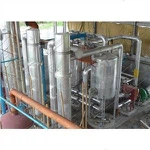
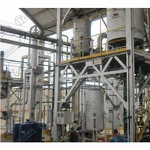
For instance, Sulphonation Plants play a crucial role in the LABSA production process. Newer sulphonation plants are designed with better control systems, which allow for more precise regulation of reaction conditions such as temperature, pressure, and reactant flow rates. This precision not only improves the quality of the final product but also increases the reaction rate, leading to higher production volumes.
Similarly, Sulphonation Equipment like reactors, mixers, and separators have seen significant technological advancements. Advanced reactors can provide better heat transfer and mixing, ensuring a more uniform reaction and reducing the formation of by - products. High - efficiency mixers can quickly and thoroughly blend reactants, further enhancing the reaction efficiency.
2. Process Optimization
Optimizing the production process is another key aspect of improving efficiency. This involves analyzing each step of the LABSA production process to identify bottlenecks and areas for improvement.
First, it's important to streamline the raw material supply chain. Ensuring a steady and reliable supply of raw materials such as linear alkylbenzene and sulfuric acid is essential. By establishing long - term partnerships with high - quality suppliers and implementing just - in - time inventory management systems, factories can reduce inventory holding costs and avoid production delays caused by raw material shortages.
Secondly, the reaction conditions need to be carefully optimized. LABSA production is a complex chemical reaction, and small changes in reaction parameters can have a significant impact on the yield and quality of the product. Through continuous research and development, factories can determine the optimal reaction temperature, pressure, and reaction time. For example, by using catalysts or modifying the reaction mechanism, the reaction rate can be increased, and the reaction time can be shortened.
In addition, the purification and separation processes also need to be optimized. Advanced separation techniques such as distillation, extraction, and filtration can be used to remove impurities more effectively, improving the purity of the final product. At the same time, recycling and reusing waste materials generated during the production process can not only reduce environmental pollution but also lower production costs.
3. Employee Training and Development
Well - trained employees are the backbone of any efficient production operation. Providing comprehensive training programs for employees can improve their skills and knowledge, enabling them to operate equipment more effectively and handle production problems more efficiently.
Training should cover various aspects, including equipment operation, safety procedures, quality control, and process optimization. For new employees, basic training on LABSA production processes and equipment operation is essential. Regular refresher courses can be provided to keep employees updated on the latest technologies and best practices.
Moreover, encouraging employees to participate in continuous learning and development activities can foster a culture of innovation and improvement within the factory. For example, organizing internal seminars or sending employees to external training courses can expose them to new ideas and technologies, which can then be applied to the production process.


4. Quality Control and Assurance
Maintaining high - quality products is closely related to production efficiency. A high - quality product means fewer rejections and less waste, which in turn leads to higher production efficiency.
Implementing a strict quality control system from the raw material stage to the final product is crucial. This includes regular testing and inspection of raw materials to ensure their quality meets the required standards. During the production process, in - process quality control points should be established to monitor key parameters such as reaction progress, product composition, and physical properties.
By using advanced analytical techniques such as chromatography and spectroscopy, factories can accurately analyze the composition and quality of the product. Any deviations from the quality standards can be detected early, and corrective actions can be taken immediately to prevent the production of sub - standard products.
5. Automation and Digitalization
Automation and digitalization are becoming increasingly important in modern manufacturing. By automating repetitive and labor - intensive tasks, factories can reduce human error, increase production speed, and improve product consistency.
For example, automated control systems can be used to regulate the operation of equipment, such as adjusting the flow rate of reactants, controlling the temperature of reactors, and monitoring the pressure in the production process. These systems can operate 24/7 without fatigue, ensuring a stable and efficient production process.
Digitalization also enables real - time monitoring and data analysis. By collecting and analyzing production data, factories can identify trends, predict potential problems, and make informed decisions. For instance, predictive maintenance can be implemented based on equipment performance data, which can help prevent unexpected breakdowns and reduce maintenance costs.
6. Energy Management
Energy is a significant cost factor in LABSA production. Implementing effective energy management strategies can not only reduce production costs but also contribute to environmental sustainability.
One way is to optimize the energy consumption of equipment. For example, using energy - efficient motors and pumps can reduce electricity consumption. Insulating equipment and pipes can prevent heat loss, reducing the energy required for heating.
Another approach is to use renewable energy sources. Solar panels or wind turbines can be installed on the factory premises to generate clean energy, which can offset part of the electricity demand. In addition, waste heat recovery systems can be implemented to reuse the heat generated during the production process, further improving energy efficiency.
7. Supply Chain Collaboration
Collaborating closely with suppliers and customers can also improve production efficiency. By sharing information and coordinating activities, factories can better respond to market changes and optimize their production plans.
With suppliers, as mentioned earlier, long - term partnerships can ensure a stable supply of raw materials. In addition, collaborating with suppliers on research and development can lead to the development of new and better - quality raw materials, which can improve the production process and product quality.
With customers, understanding their needs and preferences in advance can help factories adjust their production plans accordingly. By producing products that meet customer requirements, factories can reduce inventory levels and improve customer satisfaction.
Conclusion
Improving production efficiency in a LABSA factory is a comprehensive and long - term process that requires continuous efforts in upgrading equipment, optimizing processes, training employees, controlling quality, implementing automation, managing energy, and collaborating in the supply chain. As a supplier, I'm committed to providing the best - in - class Metasilicate Sodium Silicate Production Line and other related equipment and services to support LABSA factories in achieving their efficiency goals.
If you're interested in enhancing the production efficiency of your LABSA factory, I encourage you to reach out for a detailed discussion. We can explore how our products and solutions can be tailored to your specific needs and help you take your production to the next level.
References
- Chemical Engineering Handbook, various editions
- Journal of Chemical Technology and Biotechnology, multiple issues
- Industry reports on LABSA production and manufacturing efficiency