

As a supplier of Na₂SiO₄, also known as sodium orthosilicate, I am often asked about its potential applications in the construction industry. In this blog post, I will delve into the properties of Na₂SiO₄ and explore whether it can indeed be used in construction.
Properties of Na₂SiO₄
Sodium orthosilicate is a white, crystalline solid that is highly soluble in water. It is an inorganic compound composed of sodium cations (Na⁺) and orthosilicate anions (SiO₄⁴⁻). The chemical formula Na₂SiO₄ indicates that each molecule of sodium orthosilicate contains two sodium atoms, one silicon atom, and four oxygen atoms.
One of the key properties of Na₂SiO₄ is its strong alkaline nature. When dissolved in water, it dissociates into sodium ions and orthosilicate ions, which react with water molecules to produce hydroxide ions (OH⁻). This results in a highly alkaline solution with a pH typically ranging from 12 to 13. The alkaline nature of Na₂SiO₄ makes it a powerful base and gives it several important properties for various applications.
Applications of Na₂SiO₄ in the Construction Industry
1. Concrete Admixture
Na₂SiO₄ can be used as a concrete admixture to improve the properties of concrete. When added to concrete, it reacts with the calcium hydroxide (Ca(OH)₂) present in the cement paste to form calcium silicate hydrate (C - S - H) gel. This reaction is similar to the pozzolanic reaction that occurs in concrete with the addition of pozzolanic materials such as fly ash or silica fume.
The formation of C - S - H gel helps to fill the pores in the concrete, making it denser and more impermeable. This leads to improved strength, durability, and resistance to chemical attack. Additionally, the alkaline nature of Na₂SiO₄ can help to accelerate the setting and hardening of concrete, reducing the construction time.
2. Soil Stabilization
In soil stabilization, Na₂SiO₄ can be used to improve the engineering properties of soils. When mixed with soil, the alkaline solution of Na₂SiO₄ reacts with the clay minerals in the soil. This reaction causes the clay particles to flocculate and agglomerate, reducing the plasticity and swelling potential of the soil.
The formation of cementitious compounds through the reaction of Na₂SiO₄ with soil components also enhances the strength and stability of the soil. This makes it suitable for use in construction projects such as road bases, embankments, and foundation sub - grades.
3. Waterproofing Agent
Na₂SiO₄ can act as a waterproofing agent in construction. Its ability to react with calcium compounds in concrete or masonry to form a dense, insoluble layer helps to prevent the penetration of water. When applied to the surface of concrete or masonry structures, the sodium orthosilicate solution seeps into the pores and reacts with the calcium hydroxide in the material.
This reaction forms a calcium silicate barrier that blocks the capillary pores, reducing the water absorption and improving the waterproofing performance of the structure. It can be used in basements, water tanks, and other structures where waterproofing is crucial.
4. Binding Agent
In some construction applications, Na₂SiO₄ can be used as a binding agent. For example, in the production of pre - cast concrete elements or in the fabrication of insulation materials, it can help to bind the different components together. The alkaline solution of Na₂SiO₄ can react with other materials to form a cohesive matrix, providing strength and stability to the final product.
Production of Na₂SiO₄
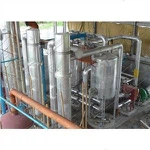
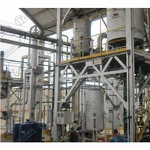
If you are interested in the production of Na₂SiO₄, we offer a range of solutions. Our Industrial Turnkey Project Solid Sodium Silicate Plant provides a comprehensive solution for large - scale production. It includes all the necessary equipment and processes for the efficient production of solid sodium silicate, which can be further processed into Na₂SiO₄.
Our Sodium Silicate Machinery Plant offers high - quality machinery for the production of sodium silicate. The machinery is designed to ensure accurate control of the production process, resulting in high - purity sodium silicate products.
For those looking for a more streamlined production option, our Solid Sodium Silicate Production Line provides a cost - effective and efficient way to produce solid sodium silicate, which can then be used to obtain Na₂SiO₄.
Considerations and Challenges
While Na₂SiO₄ has many potential applications in the construction industry, there are also some considerations and challenges that need to be addressed.
1. Corrosion
The high alkalinity of Na₂SiO₄ can cause corrosion of some metals. In construction, if Na₂SiO₄ comes into contact with metal reinforcement bars in concrete, it may lead to corrosion of the steel. Therefore, proper measures need to be taken to protect the metal components, such as using corrosion - resistant coatings or inhibitors.
2. Dosage and Compatibility
The dosage of Na₂SiO₄ in concrete or other construction materials needs to be carefully controlled. Excessive use of Na₂SiO₄ can lead to problems such as rapid setting, reduced workability, and even cracking of the concrete. Additionally, it is important to ensure the compatibility of Na₂SiO₄ with other admixtures and materials used in the construction project.
Conclusion
In conclusion, Na₂SiO₄ has significant potential for use in the construction industry. Its properties as a concrete admixture, soil stabilizer, waterproofing agent, and binding agent make it a versatile material for various construction applications. However, it is essential to understand its characteristics and address the associated challenges to ensure its successful use.


If you are interested in using Na₂SiO₄ in your construction projects or want to learn more about our sodium silicate products and production solutions, we are here to assist you. Feel free to contact us for further information and to start a procurement negotiation. We look forward to working with you to meet your construction material needs.
References
- Neville, A. M. (2011). Properties of Concrete. Pearson Education.
- Mindess, S., Young, J. F., & Darwin, D. (2003). Concrete. Prentice Hall.
- Mitchell, J. K. (1993). Fundamentals of Soil Behavior. Wiley.