


Sodium silicate, a versatile chemical compound with numerous industrial applications, is composed of sodium oxide and silica. The compound finds utility across diverse sectors, including water treatment, detergent production, cardboard manufacturing, glass production, and cement formulation. The flexibility in its physical state, available either as a liquid or solid, is contingent upon the sodium oxide to silica ratio.
Production Process:
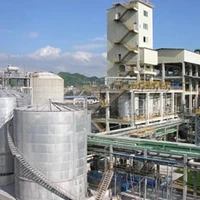
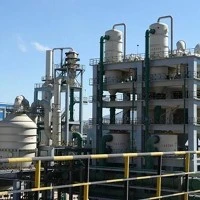
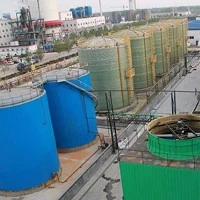
The production of sodium silicate involves subjecting silica and sodium carbonate or sodium hydroxide to high temperatures in a furnace. This chemical reaction yields sodium silicate, which can then be processed into solid forms such as flakes or granules or maintained in a liquid state and stored in tanks.
Supply Chain:
Commencing with the mining of silica, a common mineral abundant in sand, the supply chain progresses to sodium silicate manufacturers. At these facilities, silica is combined with sodium carbonate or sodium hydroxide, and the mixture undergoes the aforementioned heating process. The resulting sodium silicate is either solidified into flakes or granules or maintained in liquid form. The final product is then distributed to various end-use industries, including water treatment, detergent production, cardboard manufacturing, glass production, and cement formulation.
Applications:
Sodium silicate plays diverse roles in end-use industries, serving as a coagulant aid, corrosion inhibitor, adhesive, binder, filler, and stabilizer. In water treatment, it aids in coagulation and corrosion control, while in detergent production, it contributes to the formulation's effectiveness. In cardboard manufacturing, sodium silicate acts as a binder, enhancing the strength of the material. It serves as a crucial component in glass and cement production, contributing to the structural integrity of the final products.
Market Trends and Challenges:
The sodium silicate market is expected to experience growth, particularly in the Asia-Pacific region, driven by increasing demand from various industries. However, the industry faces challenges stemming from environmental regulations and the availability of substitutes, such as organic binders and zeolites. Fluctuations in the prices of raw materials and energy sources also impact the sodium silicate market.
Conclusion:
In conclusion, sodium silicate's ubiquity in various industrial processes and its diverse applications underscore its significance. The compound's production involves a well-defined supply chain, starting from silica mining to its transformation into either solid or liquid sodium silicate. The market outlook is optimistic, but challenges such as regulatory compliance, substitute availability, and economic factors need to be navigated for sustained growth in the sodium silicate industry.


