


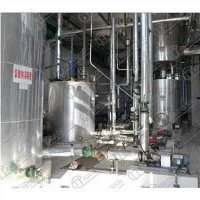


The washing powder making machine is a device that uses chemicals such as soda ash, sodium sulfate, zeolite, sodium silicate, and sodium carbonate as raw materials to produce washing powder. These machines may vary in size, capacity and design, depending on customer needs and preferences. Laundry powder making machines are widely used in the laundry care industry as they offer lower cost, longer shelf life, easier transport and storage, and lower environmental impact than liquid detergents.
The global laundry detergent making machine market is expected to grow significantly in the coming years owing to the increasing demand for laundry detergent products in various regions. According to a report by Mordor Intelligence, the global laundry detergent market size is expected to reach USD 223.8 billion by 2028, growing at a compound annual growth rate (CAGR) of 3.79% during the forecast period (2023-2028). The report also states that the powdered laundry detergent segment contributes the major revenue share of the market as it has multiple applications in major economies in Latin America and Asia-Pacific.
Some of the key factors driving the growth of the Laundry Powder Making Machine market are:
- Rising consumer awareness of the importance of cleanliness and hygiene, especially in the wake of the COVID-19 pandemic, has increased online spending on laundry care products.
- The growing preference for eco-friendly and scented laundry care products has encouraged suppliers to invest more in R&D activities to launch new organic and green products at cost-effective prices.
- The increasing popularity of washing machines among low- and middle-income people has created a higher demand for laundry detergent products.
- Technological advancements and innovations in laundry detergent making machines enable them to produce high-quality and customized products while reducing energy consumption and waste generation.
However, some of the challenges that may hinder the growth of the Laundry Powder Making Machine market are:
- Various governments and environmental organizations impose strict regulations and standards on the use and disposal of laundry detergent products, which may limit the market potential.
- Competition from liquid detergents and detergent boxes, which are becoming increasingly popular in some areas due to their convenience and efficiency.
- Fluctuations in raw material prices and supplies may affect the production costs and profitability of laundry detergent manufacturers.


