



1. Introduction
2. Market Analysis
3. Quality Control
4. Environmental Considerations
5. Project Economics
1. Introduction
The detergent powder industry plays a crucial role in the global cleaning products market. Detergent powder is a staple in households and various industries due to its excellent cleaning properties and wide range of applications. A detergent powder plant project involves a series of considerations and operations, from market analysis and plant setup to production processes and financial management. This article will provide a comprehensive overview of the detergent powder plant project, aiming to offer in - depth knowledge for entrepreneurs, investors, and professionals interested in this field.
2. Market Analysis
Market Trends
Growing Demand for Eco - friendly Products: With the increasing awareness of environmental protection, consumers are showing a growing preference for eco - friendly detergent powders2. Products made from biodegradable, plant - based ingredients and those with sustainable packaging are becoming more popular2. For example, some companies have started using 100% recycled plastic for packaging to reduce environmental impact1.
Advancements in Distribution Channels: The easy availability of detergent powders through various distribution channels, including supermarkets, hypermarkets, specialty stores, and online platforms, is a significant trend1. The rise of e - commerce has further expanded the market reach, allowing consumers to purchase detergent powders with greater convenience1. Additionally, vendors in some countries are adopting product bundling strategies to increase market share1.
Market Drivers
Increasing Focus on Hygiene and Cleaning: The growing awareness of hygiene and the need for effective cleaning agents to remove dirt, dust, and pollutants from clothes are driving the demand for detergent powders3. The increasing sales of automatic washing machines also contribute to the growth of the detergent powder market, as consumers look for products that are suitable for machine washing3.
Rising Disposable Income: In emerging economies, the rising disposable income levels enable consumers to spend more on convenience and hygiene products, including detergent powders. This provides a significant growth opportunity for the detergent powder industry.
Market Challenges
Intense Competition: The detergent powder market is highly competitive, with many well - established brands and new entrants. Competing for market share requires companies to invest in research and development, marketing, and brand building.
Cost Pressures: Fluctuations in the prices of raw materials and energy can affect the production costs of detergent powders. Additionally, the need to comply with environmental and safety regulations may lead to increased costs.
3. Quality Control
Raw Material Quality: Strict quality control of raw materials is essential to ensure the quality of the final product. Raw materials should be tested for their purity, composition, and performance before being used in production.
In - Process Quality Checks: Regular quality checks should be carried out during the production process to monitor the quality of the intermediate products. This includes checking the particle size, density, and moisture content of the granules.
Finished Product Testing: The finished detergent powder should be tested for its cleaning performance, pH value, solubility, and other quality parameters. It should also meet the relevant industry standards and regulatory requirements.
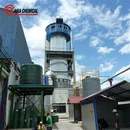
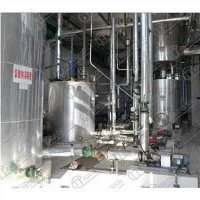
6. Machinery and Equipment
Mixing Equipment: High - speed mixers or ribbon blenders are used to mix the raw materials thoroughly.
Granulation Equipment: Spray - dryers, fluid - bed granulators, or extruders are commonly used for granulation, depending on the production scale and process requirements.
Drying Equipment: Rotary dryers, fluid - bed dryers, or microwave dryers can be used to dry the granules.
Packaging Machinery: Automatic packaging machines are used to fill and seal the detergent powder into various packaging materials. This includes filling machines, capping machines, and labeling machines.
4. Environmental Considerations
The detergent powder production process may generate waste, such as spent raw materials, packaging waste, and wastewater. Proper waste management strategies should be implemented to minimize the environmental impact. This includes recycling, treating wastewater to meet the discharge standards, and disposing of non - recyclable waste properly.
In the case of spent raw materials, a comprehensive recycling system can be established. For instance, certain additives or chemicals that are not fully consumed during the production process can be separated and purified through specialized techniques. These recycled raw materials can then be reintroduced into the production line, reducing the need for new raw material extraction and saving costs in the long run. In addition, for packaging waste, a two - pronged approach can be taken. Firstly, promoting the use of easily recyclable packaging materials, such as cardboard and certain types of plastics, can significantly increase the recycling rate. Secondly, implementing a reverse logistics system where used packaging is collected from consumers and sent back to the manufacturer for recycling. This not only reduces the amount of packaging waste ending up in landfills but also creates a circular economy within the detergent powder industry.
When it comes to wastewater treatment, it is crucial to invest in advanced treatment technologies. Many detergent powder production facilities currently rely on traditional treatment methods that may not be sufficient to remove all the pollutants present in the wastewater. Modern biological treatment processes, such as activated sludge systems and membrane bioreactors, can effectively break down organic matter, remove heavy metals, and reduce the chemical oxygen demand (COD) of the wastewater. Additionally, implementing a pre - treatment step, such as sedimentation and filtration, can help to remove larger particles and impurities before the wastewater enters the main treatment system. By ensuring that the treated wastewater meets the strictest discharge standards, the detergent powder production industry can protect water resources and aquatic ecosystems.
For non - recyclable waste, proper disposal methods should be employed. This may involve incineration in facilities that are equipped with advanced air pollution control devices to minimize the release of harmful pollutants into the atmosphere. Alternatively, non - recyclable waste can be sent to landfills that are designed to prevent the leaching of contaminants into the soil and groundwater. However, it is important to note that landfills should be the last resort, and efforts should be made to reduce the generation of non - recyclable waste through source reduction and recycling initiatives.
Energy Efficiency
Energy - efficient equipment and production processes should be adopted to reduce energy consumption and greenhouse gas emissions. For example, using advanced drying technologies that consume less energy or optimizing the production process to reduce the overall energy requirements.
One of the key areas where energy efficiency can be improved is in the drying process. Traditional drying methods, such as spray drying, often consume large amounts of energy. In contrast, emerging technologies like microwave drying and infrared drying offer significant energy savings. Microwave drying works by heating the material directly from the inside out, which results in faster drying times and lower energy consumption. Infrared drying, on the other hand, uses infrared radiation to heat the surface of the material, allowing for more efficient heat transfer. By replacing traditional drying equipment with these advanced technologies, detergent powder manufacturers can not only reduce their energy bills but also decrease their carbon footprint.
Another important aspect of energy efficiency is the optimization of the production process. This can involve a variety of measures, such as improving the layout of the production facility to reduce the distance that materials need to be transported, implementing real - time monitoring and control systems to ensure that equipment is operating at its optimal efficiency, and using energy - efficient motors and pumps. For example, by installing variable frequency drives on motors, the speed of the motor can be adjusted according to the actual demand, resulting in significant energy savings. Additionally, by integrating renewable energy sources, such as solar and wind power, into the production process, detergent powder manufacturers can further reduce their reliance on fossil fuels and contribute to the global transition to a low - carbon economy.
In addition to these technical measures, energy management systems can also play a crucial role in improving energy efficiency. These systems involve setting energy performance targets, monitoring energy consumption on a regular basis, and implementing energy - saving measures based on the analysis of the data. By involving all employees in the energy management process and providing them with training and incentives to save energy, detergent powder manufacturers can create a culture of energy efficiency within the organization. This not only benefits the environment but also improves the competitiveness of the company in the long run.
5. Project Economics
Capital Investment
Land and Building: The cost of purchasing or leasing land and constructing the plant building is a significant capital expense. The cost will vary depending on the location and size of the plant.
Machinery and Equipment: The purchase and installation of machinery and equipment, as mentioned above, require a substantial investment. The cost will depend on the production capacity, quality, and brand of the equipment.
Raw Materials and Inventory: Initial inventory of raw materials and packaging materials needs to be purchased. Additionally, working capital is required to maintain the inventory levels during the production process.
Human Resources: Costs associated with hiring and training employees, including salaries, benefits, and training expenses, should be considered.
Operational Expenses
Raw Material Costs: The cost of raw materials is a major operational expense and can fluctuate depending on market conditions.
Energy and Utilities: Costs for electricity, water, steam, and other utilities required for the production process should be accounted for.
Labor Costs: Regular salaries, overtime pay, and employee benefits contribute to the labor costs.
Marketing and Distribution Costs: Expenses for marketing the product, including advertising, promotions, and distribution costs to get the product to the customers, are necessary for business growth.
Revenue Projections
Sales Volume: The sales volume of detergent powder depends on various factors, such as market demand, production capacity, and market share. Conducting market research and analyzing the competition can help in estimating the potential sales volume.
Selling Price: The selling price of the detergent powder is influenced by factors like product quality, brand positioning, and market competition. Setting a competitive yet profitable selling price is crucial for revenue generation.
Profitability Analysis
Gross Profit Margin: Calculated by subtracting the cost of goods sold (including raw materials, direct labor, and manufacturing overheads) from the revenue and dividing the result by the revenue. A higher gross profit margin indicates better profitability.
Net Profit Margin: After deducting all the operating expenses, including marketing, administration, and finance costs, from the gross profit, the net profit margin is obtained. This shows the actual profit earned by the business after all expenses are accounted for.


