

As a global engineering solutions provider, Hangzhou ASIA Chemical Engineering Co.,Ltdcontinuously invests in research and development and optimization of modern thermal phosphoric acid production systems.Content
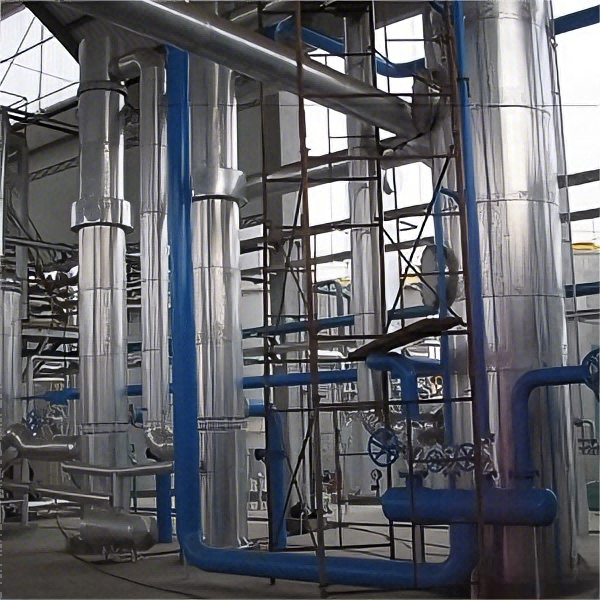
Why Thermal Phosphoric Acid Technology Still Matters
Despite advances in wet-process acid purification, the thermal route remains the gold standard for industries requiring unmatched purity. Its ability to produce crystal-clear, low-impurity, low-metal-content phosphoric acid makes it indispensable in:
Food & beverage manufacturing
Pharmaceutical preparation
Semiconductor wafer cleaning
Metal surface treatment
Lithium battery materials (LFP)
Fine chemicals and catalysts
The emergence of new thermal furnace technologies, intelligent automation, and environmental protection systems has significantly enhanced the competitiveness of the thermal process. These innovations allow producers to maintain high purity while reducing energy consumption, raw material losses, and emissions.
As demand for high-purity phosphoric acid continues to rise, modern thermal technology plays an increasingly critical role in the global supply chain. Hangzhou ASIA Chemical Engineering Co., Ltd has contributed to the development of advanced furnace systems, optimized phosphorus oxidation technologies, and digitalized plant control, enabling clients to achieve higher output with lower operating costs.
Principles of the Thermal Phosphoric Acid Process
Though based on traditional principles, the new generation of thermal technology refines and optimizes each stage:
Phosphate ore, silica, and coke are fed into an electric arc furnace. High temperatures-around 1450–1500°C-reduce phosphate rock into elemental phosphorus vapor.
Phosphorus vapor is rapidly cooled and condensed into liquid form. Modern condensation units use improved heat-exchange systems and anti-fouling materials.
Liquid phosphorus is burned in a controlled oxygen-rich environment, forming phosphorus pentoxide (P₂O₅) with minimal impurities.
P₂O₅ is absorbed in deionized water to produce high-purity thermal phosphoric acid, usually 85–86% concentration.
The process produces no phosphogypsum and enables extremely strict impurity control, especially when combined with modern technology.
Key Innovations in the New Thermal Phosphoric Acid Technology
Modern thermal production systems focus on energy efficiency, environmental protection, automation, and material optimization. Below are the major technological advancements shaping the industry.
The thermal electric furnace has undergone major upgrades:
Longer service life
Reduced electrical resistance
More stable arc formation
Refractory materials now withstand higher temperatures, reducing heat loss and increasing furnace longevity.
Heat from furnace exhaust gases can be reused to:
Preheat raw materials
Generate steam
Reduce total energy consumption
These improvements can lower energy usage by 8–15%, significantly improving operational economics.
Hangzhou ASIA Chemical Engineering Co., Ltd integrates advanced energy modeling tools to ensure maximum furnace optimization for each project.
Modern systems allow more flexibility in phosphate rock quality.
Automated feed control
Better distribution of coke, silica, and ore
Ability to utilize lower-grade raw materials
This results in:
Lower raw material costs
Reduced waste
Increased phosphorus yield
New material preparation lines offered by Hangzhou ASIA Chemical Engineering Co., Ltd help customers achieve more uniform feeding and higher conversion efficiency.
Elemental phosphorus recovery is one of the most critical steps. New technologies include:
High-efficiency water spray condensers
Anti-fouling heat exchangers
Improved circulation systems for consistent cooling
These upgrades increase phosphorus recovery rates while lowering maintenance frequency.
Modern oxidation chambers ensure complete combustion of phosphorus with:
Optimized burners
Precise oxygen control
Enhanced flame stability
Advanced thermal insulation
The result is higher P₂O₅ purity with almost zero unburned residues.
The hydration step now incorporates:
Multi-stage absorption towers
Automatic acid concentration control
Corrosion-resistant materials
Advanced impurity removal units
These ensure consistent production of food-grade, technical-grade, and electronic-grade phosphoric acid.
Advanced plant automation provides real-time monitoring and smart operation.
IoT-based equipment management
AI-driven predictive maintenance
SCADA control systems
Real-time energy consumption optimization
Automated safety response
Hangzhou ASIA Chemical Engineering Co., Ltd integrates Industry 4.0 technology into new thermal phosphoric acid plants, making operation more predictable, stable, and cost-effective.
Environmental sustainability is a major focus in modern thermal plants.
High-efficiency dust collectors
Low-NOx phosphorus oxidation burners
Fluoride control systems
Water recycling networks
Zero-liquid-discharge options
These upgrades help plants meet increasingly strict global environmental regulations.
Advantages of New Thermal Phosphoric Acid Technology
Ultra-High Product Purity for High-End Applications
One of the most significant advantages of the new thermal phosphoric acid technology is its exceptional product purity. Because the process relies on high-temperature oxidation of elemental phosphorus rather than acid digestion of phosphate rock, the resulting phosphoric acid contains extremely low levels of impurities such as heavy metals, fluoride, and sulfate. The acid is also characterized by outstanding clarity and color stability, making it ideal for industries with demanding quality standards. Thermal-grade phosphoric acid is widely preferred in food additives, pharmaceuticals, semiconductor manufacturing, precision electronics, and battery-grade materials. In comparison, the traditional wet process cannot reach such purity levels without extensive and costly purification steps.
Zero Phosphogypsum Waste and Lower Environmental Burden
Unlike the wet-process method, which generates large volumes of phosphogypsum as a by-product, the thermal process produces no gypsum waste at all. This eliminates one of the most severe environmental challenges associated with phosphoric acid manufacturing. Phosphogypsum disposal requires land, long-term monitoring, and strict environmental compliance, which significantly increases operational burdens. The new thermal technology aligns with global sustainability standards by reducing solid waste, simplifying environmental management, and enabling cleaner downstream utilization of by-products. This advantage also makes thermal production more suitable for regions with strict environmental regulations or limited land resources.
Lower Maintenance Requirements and Extended Equipment Lifetime
Modern thermal phosphoric acid plants benefit from advanced furnace materials, improved insulation, and upgraded refractory designs. These innovations significantly reduce corrosion, high-temperature erosion, scaling, and thermal fatigue-common issues that previously limited the life of thermal process equipment. As a result, the operational life of furnace linings and core components is greatly extended, reducing both planned and unplanned downtime. This directly lowers long-term operating expenses and improves plant availability. For producers, this means better cost control and higher return on investment over the entire service life of the installation.
Flexibility in Raw Material Selection
While the wet process requires high-grade phosphate rock to limit impurities, the thermal route can efficiently use medium-grade phosphate, complex ores, or materials that contain impurities unsuitable for wet processing. This flexibility helps companies secure more stable raw material supplies, reduce procurement costs, and improve resource utilization efficiency. In markets where high-grade phosphate deposits are declining or becoming more expensive, this advantage significantly enhances long-term competitiveness.
Enhanced Operational Safety Through Automation and Monitoring
Modern thermal phosphoric acid units include gas leak detection, hydrogen monitoring, automated furnace diagnostics, and intelligent overtemperature protection mechanisms. In the event of abnormal operation, the system can execute real-time emergency shutdown procedures to protect both personnel and equipment. These measures comply with global chemical industry safety standards and ensure continuous, stable, and secure operation of the entire production line. For operators, this reduces risk and simplifies day-to-day management of the plant.
Valuable By-Products With Commercial Use
Instead of low-value phosphogypsum, thermal production generates ferrophosphorus and other by-products that can be used in alloy manufacturing, metallurgical additives, and anti-corrosion coatings. These materials have stable and profitable markets, providing an additional revenue stream for producers. This improves overall process economics and helps offset energy consumption costs, making the thermal route financially attractive for modern phosphoric acid plants.


