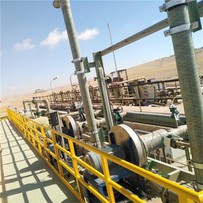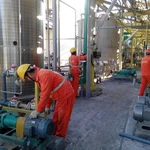
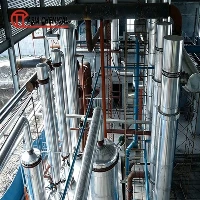

Asia Chemical Engineering Co., Ltd. is one of the most reliable manufacturers and suppliers of bleach production plant in China. Please rest assured to wholesale cost-efficient bleach production plant from our factory. Good service and reasonable price are available.
The core process in a bleach production plant typically revolves around chemical reactions that produce sodium hypochlorite or other bleaching agents in liquid form. The most common bleach, sodium hypochlorite, is produced by the reaction of chlorine gas with a sodium hydroxide solution. This process is carried out in a series of carefully controlled steps to ensure the production of a high-purity, effective bleach solution.
Chlorine Gas Generation: The process begins with the generation or sourcing of chlorine gas (Cl2), which can be produced via the electrolysis of brine (saltwater solution) or sourced from external suppliers.
Reaction with Sodium Hydroxide: Chlorine gas is then reacted with a sodium hydroxide (NaOH) solution in a reactor. This chemical reaction produces sodium hypochlorite (NaOCl) and water. The concentration of sodium hypochlorite can be adjusted based on the intended use of the bleach. For example, household bleach typically contains 3-6% sodium hypochlorite, while industrial-grade bleach may contain higher concentrations.
Cooling and Storage: After the reaction, the bleach solution is cooled to prevent decomposition and is then transferred to storage tanks. The bleach is often stored in UV-protected tanks to avoid degradation caused by light. The storage tanks must be corrosion-resistant, given the highly reactive nature of sodium hypochlorite.
Quality Control and Packaging: The final step in the production process involves rigorous quality control testing to ensure the bleach meets specific concentration and purity standards. Once approved, the bleach is packaged in containers of various sizes, ranging from small household bottles to large industrial drums, depending on the market requirements.

service
It offers tailored process solutions based on the client's requirements and raw materials. We effectively utilize waste chlorine from the chlor-alkali industry to increase product variety and value. Additionally, we provide comprehensive overseas engineering services, including installation guidance, commissioning, operator training, and turnkey project delivery, ensuring smooth operation and successful project completion. This holistic approach guarantees optimal performance, environmental sustainability, and enhanced economic returns for our clients.
one-stop solution
professional team
high
quality
FAQ:
1: How is bleach used in household cleaning products, and why is it important?
Bleach, specifically sodium hypochlorite, is a powerful disinfectant and stain remover commonly found in household cleaners, laundry detergents, and surface sanitizers. Its ability to kill bacteria, viruses, and fungi makes it essential for maintaining hygiene and sanitation in homes, helping to prevent the spread of germs and keeping surfaces clean.
2: What role does bleach play in municipal water treatment plants?
In municipal water treatment, bleach is used to disinfect drinking water by killing harmful pathogens such as bacteria and viruses. Sodium hypochlorite produced in bleach plants ensures that the water is safe for human consumption. Additionally, it is used in wastewater treatment to remove contaminants before the treated water is released back into the environment.
3: Why is bleach important in the textile industry?
In the textile industry, bleach is used to whiten and brighten fabrics, particularly natural fibers like cotton and linen. By removing natural pigments and impurities, bleach ensures a clean, uniform surface that is ready for dyeing or printing, helping to improve the quality and appearance of the finished textile products.
4: How does sodium hypochlorite benefit the paper and pulp industry?
Sodium hypochlorite is used in the paper and pulp industry to bleach wood pulp, giving paper products a bright, white appearance. It removes lignin, a compound responsible for the yellowing of paper, thus enhancing the visual quality of paper products while maintaining their strength and durability.
5: What are the advantages of using bleach for industrial disinfection?
Bleach is highly effective for industrial disinfection in settings such as food processing plants, healthcare facilities, and laboratories. Its powerful antimicrobial properties ensure sterile environments by killing a wide range of pathogens. Industrial-grade bleach is essential for maintaining cleanliness and preventing contamination in these critical areas.
6: How do bleach production plants contribute to wastewater treatment?
Bleach production plants provide sodium hypochlorite for wastewater treatment, where it is used to remove organic contaminants, pathogens, and harmful chemicals. This process helps in purifying wastewater before it is discharged back into natural water systems, ensuring it meets environmental standards and reducing pollution.
Hot Tags: Bleach Production Plant, China, manufacturers, suppliers, factory, wholesale, price, profession, cost, Set Up Sodium Hypochlorite Production Plant, Sodium Hypochlorite Manufacturing Process, Bleach Production Plant, Sodium Hypochlorite Production Plant