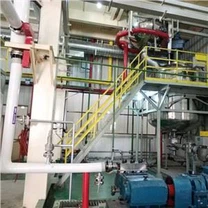
On-site sodium hypochlorite generators have a wide range of uses and have become a key technology in water treatment, industrial hygiene, and public health protection.
Safety: Eliminates risks associated with chlorine gas storage and transport.
Reliability: Continuous production ensures an uninterrupted supply of disinfectant.
Cost Savings: Reduces chemical purchasing, logistics, and storage expenses.
Sustainability: Minimizes environmental impact through reduced packaging and transport emissions.
Flexibility: Easily scalable to meet diverse industrial and municipal needs.

Introduction: The Growing Importance of On-Site Sodium Hypochlorite Generation
Sodium hypochlorite (NaOCl) is one of the most widely used disinfectants in the world, essential for water purification, sanitation, and industrial oxidation processes. Traditionally, sodium hypochlorite is produced at centralized chemical plants and transported as a bulk liquid to end users. However, in recent years, on-site sodium hypochlorite generators have gained immense popularity due to their safety, cost-effectiveness, and operational flexibility. These systems produce sodium hypochlorite directly at the point of use by electrolyzing a simple salt (NaCl) solution, requiring only water, salt, and electricity.
Compared with transporting high-concentration sodium hypochlorite or chlorine gas, on-site generation minimizes chemical handling risks and eliminates issues related to degradation during storage. The technology has proven particularly valuable for municipal water treatment, industrial wastewater treatment, cooling towers, food and beverage processing, and healthcare disinfection systems. With increasing environmental awareness and stricter safety regulations, industries are rapidly adopting this sustainable disinfection approach.
In essence, an on-site sodium hypochlorite generator offers a continuous, reliable, and safe supply of disinfectant, perfectly tailored to modern requirements for low operational risk, automation, and consistent quality control.
Municipal Drinking Water Disinfection: Ensuring Safe and Reliable Potable Water
One of the primary applications of on-site sodium hypochlorite generation is in municipal water treatment. City water utilities are responsible for providing millions of residents with safe drinking water, free from harmful pathogens such as E. coli, Giardia, and Cryptosporidium. Traditionally, many plants relied on gaseous chlorine for disinfection, but this method poses serious safety concerns due to the toxicity and handling requirements of chlorine cylinders.
On-site sodium hypochlorite generation offers a safer and more sustainable alternative. The system produces low-concentration hypochlorite (typically 0.8%) that can be directly dosed into the distribution network. Operators no longer need to store or transport hazardous chlorine gas, and the generated solution has a predictable and stable chlorine residual.
Moreover, because the disinfectant is generated fresh, there is no degradation of active chlorine concentration, which is a common issue in commercial bleach stored for extended periods. Municipalities benefit from consistent dosing, precise control, and a reliable supply even in emergency situations. The technology also simplifies logistics and eliminates the carbon footprint associated with chemical transport.
In recent years, on-site hypochlorite systems have become the global standard for medium-to-large-scale water treatment plants, with proven installations across North America, Europe, the Middle East, and Asia. They ensure compliance with WHO and EPA standards for drinking water safety while supporting sustainable water management practices.
Wastewater Treatment: Effective Disinfection Before Environmental Discharge
Another critical field where on-site sodium hypochlorite generators are widely used is municipal and industrial wastewater treatment. Before treated effluent can be safely released into rivers, lakes, or coastal waters, it must undergo final disinfection to remove harmful microorganisms. Sodium hypochlorite effectively destroys bacteria, viruses, and other pathogens, ensuring the discharge meets environmental regulations and public health standards.
Wastewater often contains organic matter and varying pH conditions, making it difficult to maintain consistent disinfection performance using pre-packaged chemicals. On-site generation provides a real-time, controlled dosing system, allowing operators to adjust chlorine concentration according to effluent characteristics. This flexibility enhances efficiency and reduces chemical wastage.
For industrial facilities such as food processing plants, textile mills, paper factories, and oil refineries, on-site sodium hypochlorite systems provide continuous access to disinfectant without relying on external suppliers. They ensure uninterrupted operation, especially in regions where chlorine transport is restricted or costly.
Additionally, wastewater treatment plants benefit from reduced storage and transportation hazards, improved process safety, and lower operational costs. Because the hypochlorite is generated on demand, there is minimal risk of chemical spills or concentration decay, supporting both environmental protection and operational efficiency.
Power Plants and Cooling Towers: Algae and Biofouling Control
Power generation facilities and large industrial complexes rely heavily on cooling towers and condenser systems, which circulate massive volumes of water. A major operational challenge in such systems is biofouling-the accumulation of algae, bacteria, and organic deposits on heat exchange surfaces. Biofouling reduces thermal efficiency, increases corrosion rates, and elevates maintenance costs.
On-site sodium hypochlorite generators provide an effective, automated solution for continuous or intermittent dosing of disinfectant into cooling water circuits. The generated hypochlorite oxidizes organic growth and prevents the formation of biofilms that hinder heat transfer. By producing the disinfectant on demand, operators can maintain precise control over residual chlorine levels, ensuring both efficacy and material compatibility.
Compared with traditional biocides or chemical deliveries, on-site generation reduces handling risks and chemical expenses. The technology also helps comply with environmental discharge limits by enabling accurate control of chlorine dosage and residual concentrations.
In coastal power plants or desalination facilities using seawater for cooling, on-site hypochlorite systems can operate directly from seawater electrolysis, eliminating the need for added salt. This method, known as seawater electrochlorination, is particularly advantageous for offshore oil platforms, LNG terminals, and desalination plants, where safe, maintenance-free disinfection is critical.
Food and Beverage Industry: Sanitation and Process Hygiene
In the food and beverage industry, hygiene and microbial control are essential to ensuring product safety and quality. On-site sodium hypochlorite generators are increasingly used to produce sanitizing solutions for equipment cleaning, surface disinfection, and wash water treatment. The mild hypochlorite solution (0.8% or lower) generated on-site can be applied for Clean-in-Place (CIP) systems, conveyor sanitation, and packaging line sterilization.
Because the disinfectant is freshly produced, it maintains a consistent chlorine concentration and eliminates the degradation issues that occur with stored chemical bleach. This ensures uniform microbial control across processing operations, reducing the risk of contamination and spoilage. Furthermore, the technology allows food producers to meet strict hygiene regulations such as HACCP, ISO 22000, and FDA guidelines without depending on external chemical supplies.
Another key advantage is cost savings. Generating sodium hypochlorite on-site significantly reduces purchasing and transportation costs for packaged disinfectants. It also minimizes the environmental impact associated with plastic chemical drums and transport emissions.
Applications in this sector include fruit and vegetable washing, dairy equipment sterilization, beverage filling lines, meat processing, and seafood cleaning operations. The use of on-site generated hypochlorite ensures safety for both operators and consumers, as the solution is produced at a low concentration and used immediately after generation.
Healthcare, Hospitality, and Public Facilities: Safe Disinfection for Sensitive Environments
On-site sodium hypochlorite generators also play a vital role in healthcare facilities, schools, hotels, and public buildings, where effective disinfection is critical to prevent disease transmission. In hospitals and clinics, sodium hypochlorite is used for cleaning surfaces, sterilizing instruments, and treating wastewater containing infectious microorganisms.
By producing disinfectant directly on-site, hospitals can guarantee a continuous and fresh supply of sterilizing solution, reducing dependence on external deliveries. The low-concentration hypochlorite can be safely stored and diluted for various cleaning purposes, including floor mopping, patient room disinfection, and waste treatment.
In the hospitality and commercial building sectors, on-site systems are used to disinfect swimming pools, spas, and HVAC cooling water systems. Consistent chlorine levels ensure guest safety while preventing unpleasant odors or microbial growth in pipelines.
During emergencies such as pandemics or natural disasters, facilities equipped with on-site sodium hypochlorite generators have the advantage of self-sufficient disinfection capability. They can instantly produce disinfectant for sanitizing large areas, protecting both personnel and the public.
This reliability and independence make the technology increasingly popular in government facilities, airports, and large institutions that prioritize public health protection and operational resilience.