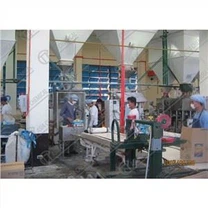
A Caustic Chlorine Plant is a key industrial facility designed for the production of two vital chemicals: caustic soda (sodium hydroxide, NaOH) and chlorine gas (Cl₂). These chemicals are essential in various industries such as textiles, paper, water treatment, and chemical manufacturing. The process of producing caustic soda and chlorine is interrelated, typically through electrolysis of brine (sodium chloride solution), a well-established method in the chemical industry.
Process Overview: Electrolysis of Brine
The production of caustic soda and chlorine in a caustic chlorine plant generally follows the chlor-alkali process. This process involves the electrolysis of an aqueous solution of sodium chloride (brine), which is passed through an electrolytic cell. The key products of this process are:
Chlorine Gas (Cl₂) at the anode (positive electrode).
Hydrogen Gas (H₂) at the cathode (negative electrode).
Caustic Soda (NaOH) in the electrolyte.
There are three primary technologies used in modern caustic chlorine plants:
Membrane Cell Technology
Diaphragm Cell Technology
Mercury Cell Technology (gradually being phased out due to environmental concerns)
1. Membrane Cell Technology
Membrane cell technology is the most commonly used method today due to its environmental and economic advantages. In this process, the anode and cathode are separated by a cation-exchange membrane. The membrane allows sodium ions (Na⁺) to pass through to form sodium hydroxide, but prevents chloride ions from mixing with it. This results in a purer caustic soda product, making it highly preferred for industrial use.
2. Diaphragm Cell Technology
In diaphragm cell technology, a porous diaphragm separates the anode and cathode compartments. The brine flows through the diaphragm, and sodium ions migrate to the cathode side, reacting with water to form sodium hydroxide. While this technology is more energy-efficient than mercury cells, the caustic soda produced is of lower purity and contains more salt, requiring further purification steps.
3. Mercury Cell Technology
Mercury cell technology, though historically widely used, has been largely phased out due to its environmental risks, specifically mercury contamination. In this process, mercury acts as the cathode, forming an amalgam with sodium that reacts with water to produce sodium hydroxide. This method is energy-intensive and poses significant environmental hazards due to mercury emissions.
Applications of Products
The caustic soda and chlorine gas produced in a caustic chlorine plant are critical to a variety of industries:
Caustic Soda (NaOH):
Paper Industry: Caustic soda is used in the kraft process to separate lignin from cellulose fibers, which is an essential step in paper manufacturing.
Textile Industry: It plays a role in cotton processing and dyeing by altering the structure of fibers.
Water Treatment: Caustic soda is used to regulate the pH levels of water, ensuring it is safe for consumption and industrial use.
Alumina Production: In the extraction of alumina from bauxite ore, caustic soda is used to dissolve the ore and separate aluminum.
Chlorine Gas (Cl₂):
Water Treatment: Chlorine is widely used for the disinfection of drinking water and the treatment of sewage and industrial wastewater.
PVC Production: Chlorine is an essential raw material in the production of polyvinyl chloride (PVC), a versatile plastic used in construction, packaging, and medical equipment.
Organic Chemical Synthesis: Chlorine is involved in the production of many organic compounds, including solvents, pharmaceuticals, and agrochemicals.
Disinfection: Chlorine is used to disinfect swimming pools, food, and other surfaces to prevent bacterial contamination.
Environmental and Safety Considerations
The production of caustic soda and chlorine poses several environmental and safety challenges. Chlorine gas, for instance, is highly toxic and must be handled with extreme care. Leakages or accidents can lead to severe environmental damage and health hazards. To mitigate risks, caustic chlorine plants are equipped with stringent safety protocols, including:
Gas Scrubbing Systems: To neutralize chlorine gas before it is released into the atmosphere.
Wastewater Treatment Systems: To manage the disposal of brine and other effluents.
Hazardous Materials Handling: Using advanced containment systems to prevent leaks and spills.
Energy consumption is another significant consideration for caustic chlorine plants. The electrolysis process is highly energy-intensive, making energy efficiency and sustainability key priorities for modern plants. Innovations such as energy recovery systems and the use of renewable energy sources are increasingly being adopted to reduce the carbon footprint of these operations.
Global Market and Industry Trends
The global caustic chlorine market is driven by the demand from key industries such as chemicals, water treatment, and paper production. Asia-Pacific, particularly China and India, represents the largest market for caustic soda and chlorine due to the region's rapidly growing industrial sectors.
In response to environmental concerns, the industry is seeing a shift toward more sustainable practices, such as the adoption of membrane cell technology over mercury-based methods. Additionally, increased regulatory pressure on emissions and waste disposal is pushing companies to innovate in waste treatment and energy efficiency.