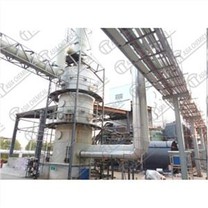
Potassium sulfate (K2SO4) manufacturing plants play a vital role in producing this essential compound used in various industries. Potassium sulfate is a valuable fertilizer, providing essential nutrients for plant growth and enhancing crop yield and quality. Additionally, it serves as a raw material in several industrial processes, including the production of potassium carbonate, potassium alum, and glass.
The manufacturing process of potassium sulfate involves several steps, starting with the extraction of raw materials. Potassium sulfate can be derived from naturally occurring minerals such as langbeinite and kainite or from the by-products of other industrial processes, such as the production of potash or phosphate fertilizers. Once the raw materials are obtained, they undergo a series of chemical reactions to convert them into potassium sulfate.
This process typically involves dissolution, precipitation, and crystallization steps, which are carefully controlled to ensure the purity and quality of the final product. Impurities are removed through filtration and purification processes to meet the required specifications for agricultural and industrial applications.
The production of potassium sulfate also involves significant energy consumption and environmental considerations. Manufacturers must carefully manage energy usage and waste disposal to minimize environmental impact and ensure sustainable production practices. Additionally, adherence to stringent safety regulations is essential to protect workers and prevent accidents in the manufacturing facility.
Potassium sulfate manufacturing plants play a crucial role in supporting agricultural productivity and industrial development. By producing this essential compound, they contribute to global food security, sustainable agriculture, and economic growth. As demand for potassium sulfate continues to rise, manufacturers must innovate and invest in advanced technologies to meet the growing needs of farmers and industries worldwide.