

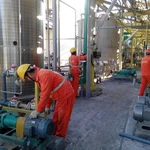
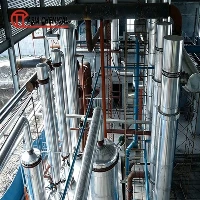

Asia Chemical Engineering Co., Ltd. is one of the most reliable manufacturers and suppliers of bleach production plant in China. Please rest assured to wholesale cost-efficient bleach production plant from our factory. Good service and reasonable price are available.
This reaction is typically conducted in a reactor vessel where chlorine gas is bubbled through a solution of sodium hydroxide. The reaction is exothermic, meaning it releases heat, so temperature control is crucial to prevent the decomposition of the sodium hypochlorite. The process also requires careful monitoring of the pressure and the concentration of the reactants to ensure that the desired concentration of bleach is achieved.
Plant Design and Equipment
It requires a range of specialized equipment to ensure efficient production and high-quality output. Key components include:
Reactor Vessel: The heart of the production process, where the chemical reaction occurs. The vessel must be made of materials resistant to the corrosive nature of chlorine and sodium hydroxide. It is often equipped with internal cooling systems to regulate the temperature during the reaction.
Chlorine Gas Handling System: Chlorine gas is stored in high-pressure cylinders or tanks and is carefully controlled as it enters the reactor. The handling system must include safety mechanisms such as gas detectors, scrubbers, and emergency shutdown procedures to manage leaks or accidental releases.
Sodium Hydroxide Storage Tanks: Sodium hydroxide, also known as caustic soda, is stored in tanks that prevent contamination and maintain the solution at the correct temperature. The storage area must be equipped with proper ventilation and temperature control to avoid solidification.
Mixing and Dilution Units: After the sodium hypochlorite is formed, it may need to be diluted with water to achieve the required concentration for different applications. This step involves precise mixing equipment to ensure uniformity and prevent stratification of the final product.
Cooling Systems: Due to the exothermic nature of the reaction, an efficient cooling system is essential. This system helps maintain the optimal temperature within the reactor, preventing the degradation of sodium hypochlorite into unwanted byproducts.
Filtration and Purification: The produced bleach solution is passed through filters to remove any impurities or undissolved particles, ensuring a clear and stable final product.
Packaging and Storage: The bleach is typically stored in large tanks or transferred to smaller containers for distribution. Packaging must be made from materials that resist corrosion, such as high-density polyethylene (HDPE). The storage facility must be well-ventilated and equipped to handle any potential spills or leaks.
Safety and Environmental Considerations
Operating a bleach production plant involves managing several safety and environmental risks, primarily due to the hazardous nature of chlorine gas and sodium hydroxide. Key safety measures include:
Chlorine Gas Detection and Neutralization: Chlorine gas is toxic and corrosive, making leak detection and neutralization systems critical. Plants must be equipped with advanced gas detectors, and any detected leaks should be immediately neutralized using scrubbers or absorption systems.
Emergency Response Systems: A comprehensive emergency response plan is essential. This includes regular drills, proper training for staff, and the availability of protective equipment to handle chemical spills, leaks, and other hazardous situations.
Waste Management: Proper disposal of by-products and effluents is necessary to minimize environmental impact. This includes neutralizing waste streams and ensuring that all discharges comply with local environmental regulations. Some plants also implement recycling systems to reuse by-products where feasible.
Economic and Market Considerations
The establishment of a production plant requires a thorough analysis of market demand, raw material availability, and operational costs. Factors to consider include:
Market Demand: Bleach is a staple product in many industries, including healthcare, hospitality, and water treatment. Understanding the demand in target markets and the competitive landscape is crucial for the plant's success.
Raw Material Supply: The plant's location should be strategically chosen to ensure easy access to chlorine gas and sodium hydroxide, as transportation of these materials can be costly and logistically challenging.
Cost of Production: Besides raw materials, costs associated with energy consumption, labor, maintenance, and compliance with safety and environmental regulations must be considered.
Quality Control: To remain competitive, the plant must consistently produce high-quality bleach that meets industry standards. This requires investment in advanced equipment, skilled personnel, and robust quality assurance processes.

service
It offers tailored process solutions based on the client's requirements and raw materials. We effectively utilize waste chlorine from the chlor-alkali industry to increase product variety and value. Additionally, we provide comprehensive overseas engineering services, including installation guidance, commissioning, operator training, and turnkey project delivery, ensuring smooth operation and successful project completion. This holistic approach guarantees optimal performance, environmental sustainability, and enhanced economic returns for our clients.
one-stop solution
professional team
high
quality
1. What materials should be used for the reactor vessel in a bleach production plant, and why are they chosen?
The reactor vessel should be made from materials resistant to corrosion, such as high-grade stainless steel or special alloys, due to the highly corrosive nature of chlorine gas and sodium hydroxide. These materials ensure the durability and safety of the reactor during the chemical production process.
2. How is chlorine gas safely handled in a bleach production plant, and what safety mechanisms are in place?
Chlorine gas is handled using a carefully controlled system that includes high-pressure storage cylinders or tanks. Safety mechanisms such as gas detectors, scrubbers, and emergency shutdown procedures are implemented to manage leaks or accidental releases, ensuring a safe working environment.
3. Why is temperature control critical in the storage of sodium hydroxide, and how is it maintained?
Temperature control is crucial because sodium hydroxide can solidify at low temperatures, leading to blockages and operational issues. Properly designed storage tanks are equipped with temperature control systems and ventilation to maintain the solution at an appropriate temperature and ensure its fluidity.
4. What role do mixing and dilution units play in the bleach production process, and why is precision important?
Mixing and dilution units are essential for achieving the required concentration of sodium hypochlorite by blending it with water. Precision in mixing is vital to ensure uniformity and prevent stratification in the final product, which could impact the effectiveness and stability of the bleach.
5. What are the primary safety and environmental challenges in operating it?
Key challenges include managing the hazardous nature of chlorine gas and sodium hydroxide. Safety measures such as gas detection, emergency response systems, and effective waste management are critical to preventing chemical spills, leaks, and environmental contamination, thereby protecting both workers and the surrounding area.
6. How does the location of a bleach production plant affect raw material supply and operational costs?
The plant's location significantly impacts the availability and transportation costs of chlorine gas and sodium hydroxide. A strategically chosen location close to raw material sources reduces logistical challenges and costs, thereby enhancing the plant's overall efficiency and profitability.
Hot Tags: bleach production plant, China, manufacturers, suppliers, factory, wholesale, price, profession, cost, Bleach Production Plant, Sodium Hypochlorite Production Plant, Sodium Hypochlorite Manufacturing Process, Set Up Sodium Hypochlorite Production Plant


