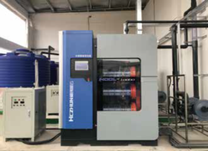
Caustic soda (sodium hydroxide) production is the cornerstone of the chemical industry, providing essential raw materials for industries such as pulp and paper, alumina refining, textiles, water treatment, and chemical manufacturing.
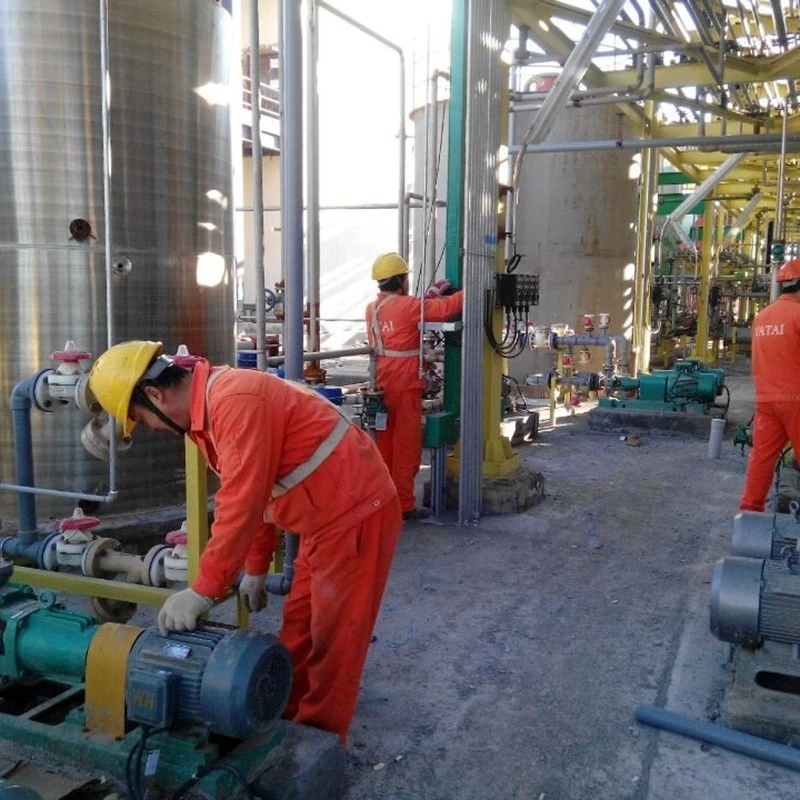
Process Automation: Enhancing Operational Stability and Consistency
At the core of a caustic soda plant is a complex, continuous process involving brine purification, electrolysis, caustic concentration, chlorine handling, and hydrogen management. Automation plays a critical role in maintaining stable operating parameters across all process units.
| Process Section | Automated Control Focus | Safety & Reliability Benefit |
|---|---|---|
| Brine preparation | Concentration, impurity control | Prevents cell damage |
| Electrolysis | Voltage, current, temperature | Avoids runaway reactions |
| Evaporation | Pressure and heat balance | Reduces equipment stress |
| Chlorine handling | Flow and purity monitoring | Minimizes leakage risk |
| Hydrogen system | Pressure and vent control | Prevents explosion hazards |
Automated Distributed Control Systems (DCS) continuously adjust process variables based on real-time data, ensuring optimal conditions are maintained even during load changes or raw material fluctuations. This reduces operator dependency, eliminates delayed reactions, and minimizes the likelihood of unsafe deviations.
Safety Instrumented Systems (SIS): Preventing Accidents Before They Escalate
While process automation focuses on efficiency and stability, Safety Instrumented Systems (SIS) are specifically designed to prevent hazardous situations from escalating into serious incidents.
Safety Instrumented Systems operate independently from the main control system and are triggered when predefined safety limits are exceeded. In caustic soda plants, SIS functions are critical due to the presence of corrosive chemicals and explosive gases.
| Hazard Scenario | SIS Function | Result |
|---|---|---|
| Overpressure in electrolyzer | Emergency shutdown | Prevents rupture |
| Chlorine leakage | Automatic isolation | Protects personnel |
| Hydrogen buildup | Venting & shutdown | Explosion prevention |
| Cooling failure | Load reduction | Equipment protection |
By automatically initiating shutdowns, isolations, or alarms, SIS systems remove reliance on human reaction time, which is particularly important in high-speed or high-risk scenarios. This significantly lowers the probability of catastrophic accidents.
3.Real-Time Monitoring and Digital Visibility: Reducing Human Exposure
Automation also enhances safety by reducing the need for manual intervention in hazardous areas. Through real-time monitoring and centralized control rooms, operators can oversee plant operations without direct exposure to corrosive chemicals or high-risk equipment.
Benefits of Real-Time Monitoring
| Monitoring Area | Automated Solution | Safety Impact |
|---|---|---|
| Electrolyzer performance | Online sensors | Early fault detection |
| Chlorine pipelines | Leak detection systems | Immediate response |
| Storage tanks | Level & pressure transmitters | Overflow prevention |
| Utilities | Integrated dashboards | Operational transparency |
Advanced automation platforms integrate sensor data, alarms, and trend analysis into a single interface, allowing operators to identify abnormal patterns before they become critical.
4.Automation in Maintenance: From Reactive to Predictive Reliability
Traditional maintenance in chemical plants often relies on scheduled inspections or reactive repairs after a failure occurs. Automation enables a shift toward predictive and condition-based maintenance, significantly improving plant reliability.
| Equipment | Automated Monitoring Parameter | Reliability Benefit |
|---|---|---|
| Electrolytic cells | Voltage deviation | Early cell replacement |
| Pumps & compressors | Vibration analysis | Avoids sudden failure |
| Heat exchangers | Temperature efficiency | Prevents fouling |
| Valves | Actuation response time | Ensures safe isolation |
5.Human Factors and Operational Safety: Supporting, Not Replacing Operators
Automation does not eliminate the need for skilled operators; instead, it enhances human decision-making and reduces error-prone manual tasks. In caustic soda plants, where small mistakes can have severe consequences, this is especially important.
Standardized operating procedures embedded in control systems
Alarm prioritization to prevent operator overload
Interlocks that prevent unsafe manual actions
Automated startup and shutdown sequences
By guiding operators through predefined logic and providing clear, actionable alarms, automation reduces cognitive stress and improves response accuracy during abnormal situations.
Furthermore, modern control systems support training simulators and digital twins, allowing operators to practice emergency scenarios in a safe virtual environment. This strengthens both safety culture and operational confidence.
Automation as the Foundation of Safe and Reliable Caustic Soda Production
Automation has transformed caustic soda plants from labor-intensive, high-risk operations into controlled, intelligent, and resilient production systems. By improving process stability, preventing hazardous scenarios, reducing human exposure, enabling predictive maintenance, and supporting informed decision-making, automation delivers measurable improvements in both safety and reliability.
In modern caustic soda plants-especially large-scale or turnkey projects-automation is no longer optional. It is a strategic necessity that underpins operational excellence, regulatory compliance, and long-term business success.